
Belgeselx
170 documentaries, 84 series and 86 films, 1977 to 2026, chosen for the whole household.
Documentary series
View all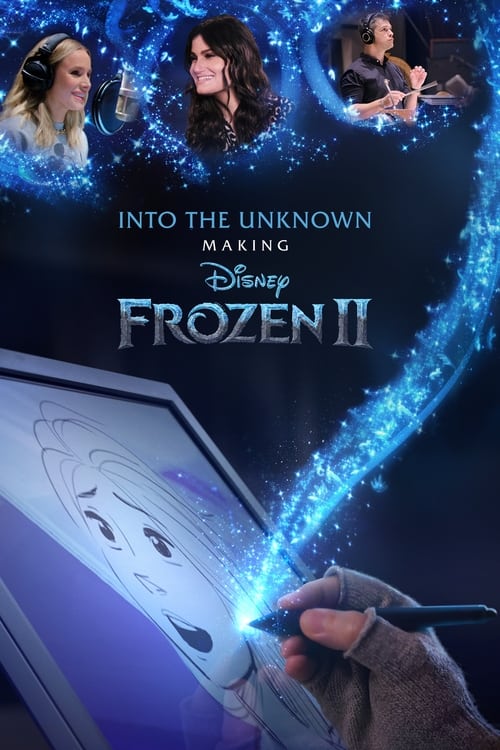
 Life After People: The Series2009 · Series
 The Movies That Made Us2019 · Series
 Inside Bill's Brain: Decoding Bill Gates2019 · Series
 The Mind, Explained2019 · Series
 Expedition: Back To The Future2021 · Series
 History 1012020 · Series
 Anthony Bourdain: Parts Unknown2013 · Series
 Long Way Up2020 · Series
 Limitless with Chris Hemsworth2022 · Series
Documentary films
View all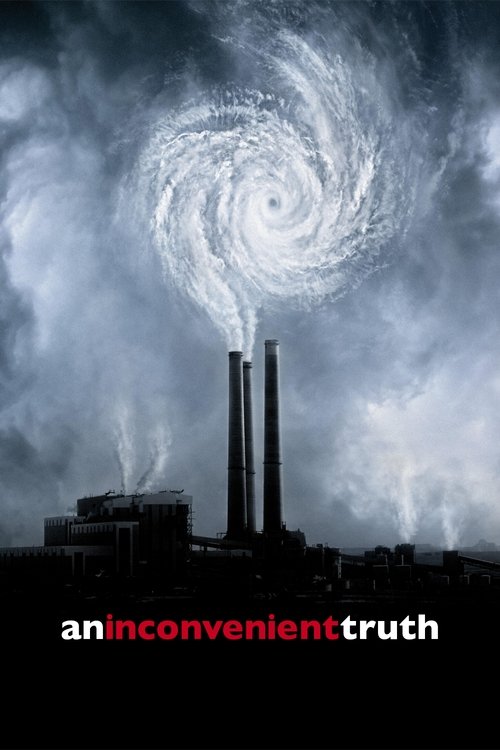


Nature
View all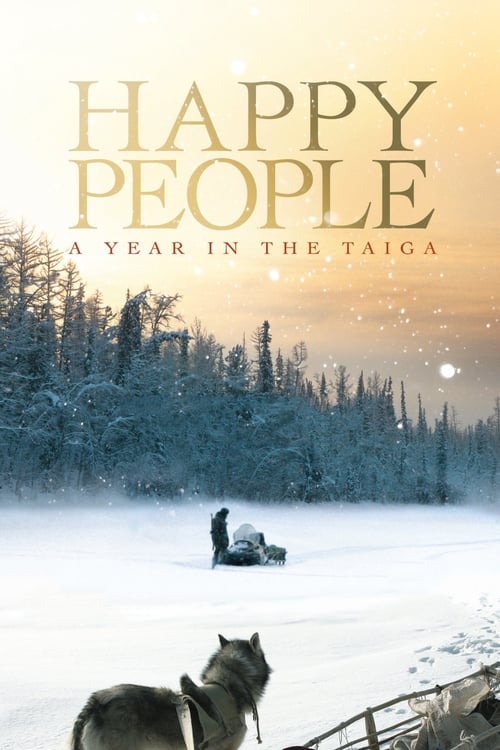



Space
View all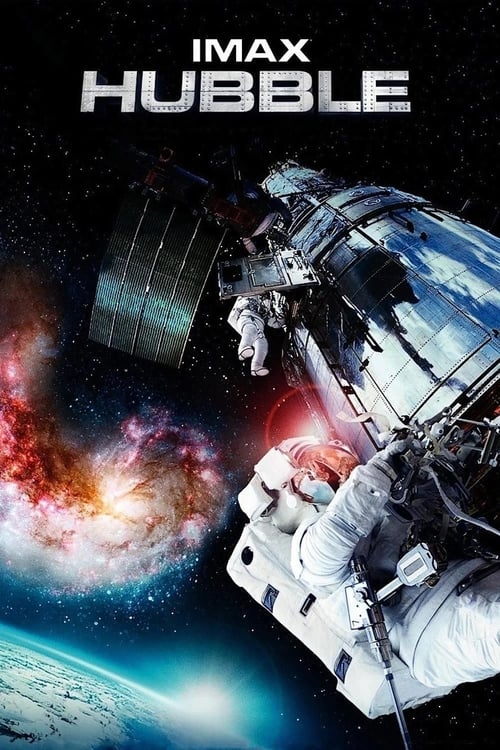
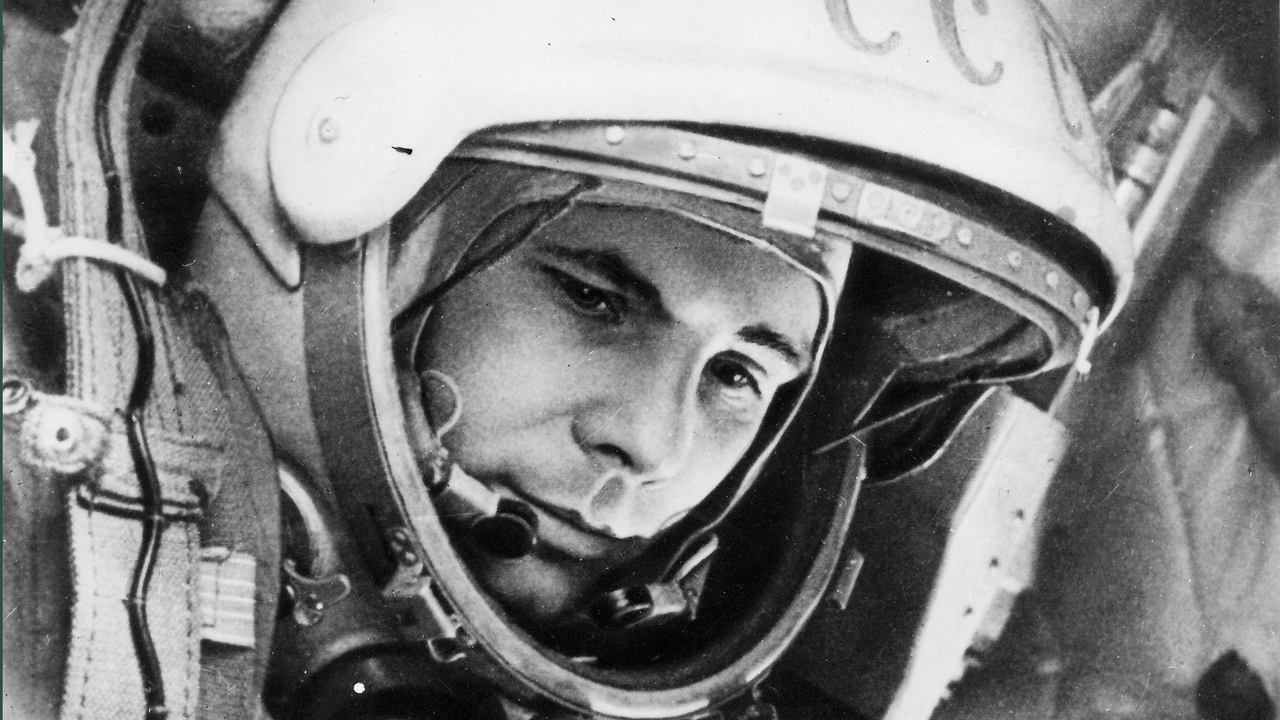
Cinema
View all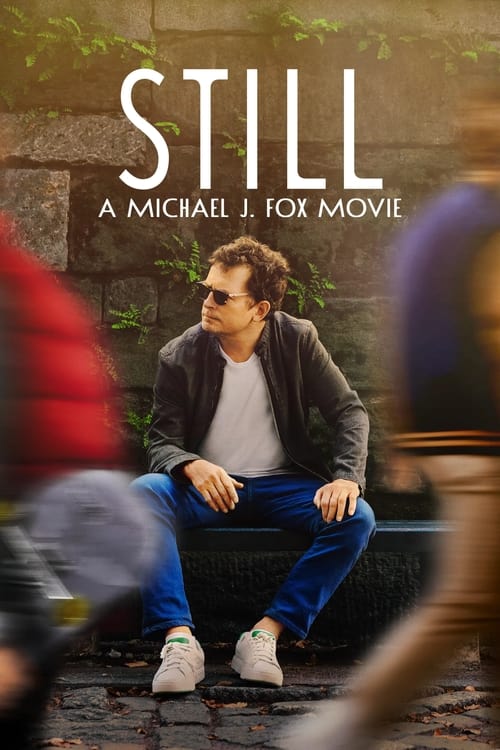
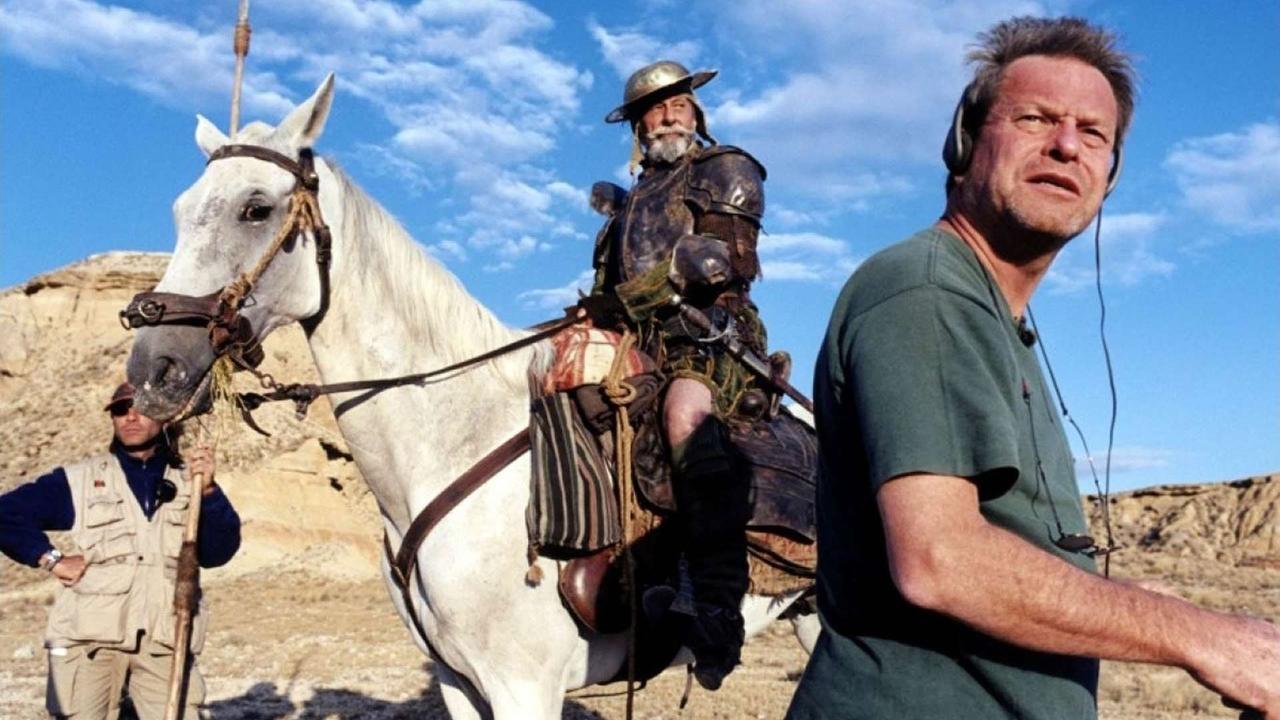 Lost in La Mancha2002 · Film
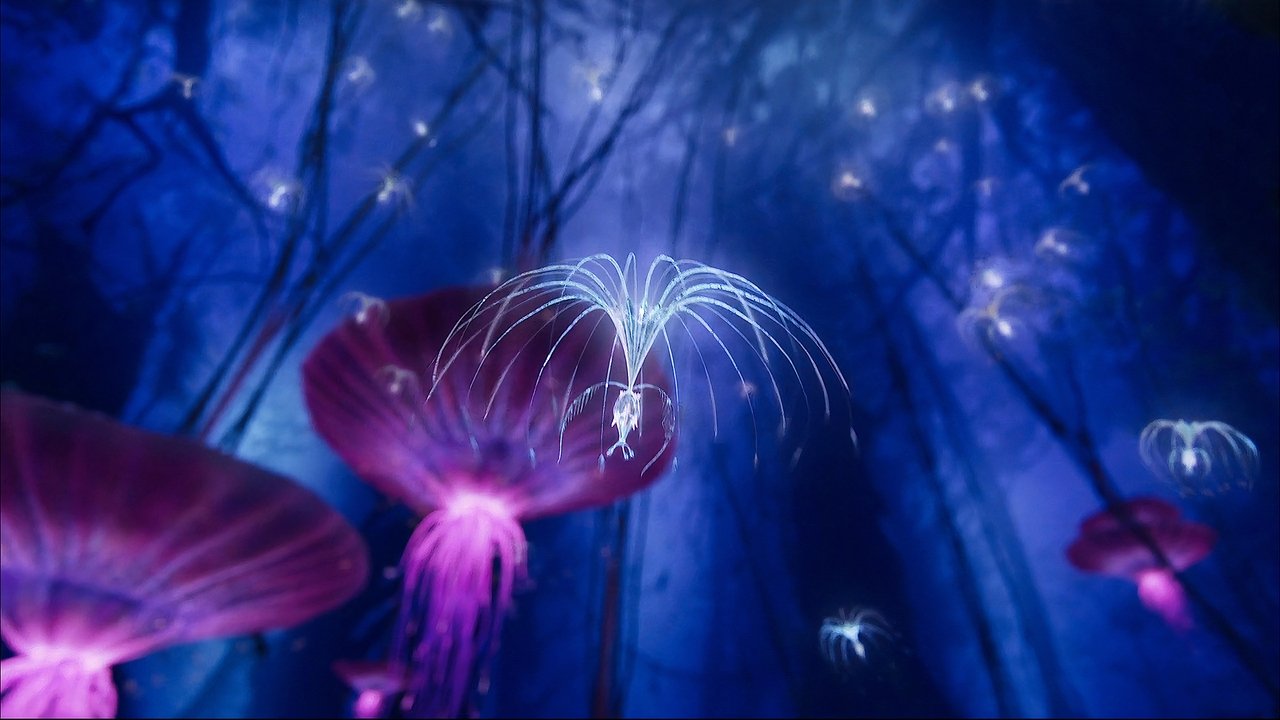 Avatar: Creating the World of Pandora2010 · Film
 Burden of Dreams1982 · Film
 Life, Animated2016 · Film
 The Cutting Edge: The Magic of Movie Editing2004 · Film
 I Know That Voice2014 · Film
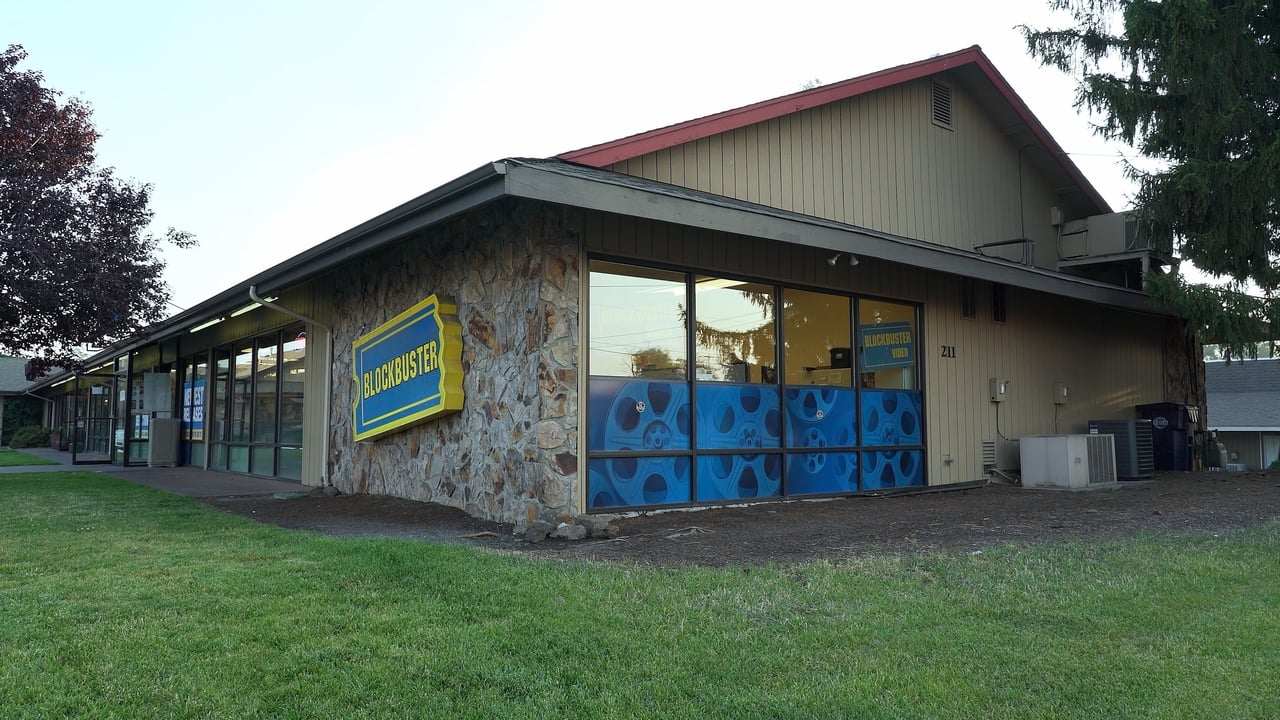 The Last Blockbuster2020 · Film
 Mickey: The Story of a Mouse2022 · Film
 Disney Presents: Main Street Electrical Parade - Farewell Season1996 · Film
Documentaries for the whole household: the Belgeselx guide
Belgeselx: documentaries, from Baraka, Samsara and Touching the Void to Cave of Forgotten Dreams, Long Way Up and The Story of Film
Belgesel is the Turkish word for documentary, and Belgeselx is a guide to 170 of them: 84 series and 86 feature films, made between 1977 and 2026. A documentary can be a year spent among lions, an hour inside a painted cave, a motorcycle ride the length of Africa, or sixty years in the lives of fourteen English schoolchildren. What the best of them share is the feeling that the world is larger and stranger than it looked the day before. Each title here has its own page, its story, its makers and a Watch now button that leads to the official services carrying it in your country.
The catalogue has been chosen for the whole household. Every title was read through by hand, and the selection favours nature and the planet, space, science and invention, the ancient world, the making of films, food and great journeys. True-crime stories, films of the battlefield, political campaigns and titles made strictly for adults were left out. What remains is the documentary as a form of curiosity: films and series that set out to show how something works, what a place looks like, or how a person came to do a remarkable thing.
The numbers give a first idea of the shape. Thirty-four titles are about cinema itself, thirty-two are portraits of people, thirty-one deal with science and technology, twenty-eight follow a journey, twenty-five look at the planet and its climate, twenty-three are about animals and the wild, twenty-one concern the arts, twenty explore history and sixteen look up at space; many belong to two subjects at once. Eleven were made before 2000, and fifty-five carry a score of 7.5 or higher from the viewers of TMDB.
A first-time visitor can begin with any of six titles. Baraka is a wordless journey through twenty-four countries, filmed on the largest film format there is. Samsara, by the same director, repeats the journey twenty years later. Touching the Void retells one of the great survival stories of mountaineering. Cave of Forgotten Dreams takes a camera into a cave whose walls were painted more than thirty thousand years ago. Long Way Up follows two friends on electric motorcycles from the tip of South America to Los Angeles, and The Story of Film: An Odyssey tells the history of cinema in fifteen episodes. Between them they show most of what the documentary can do.
How the collection is arranged
Belgeselx keeps a tall dark header with its red and white logo on the left and a menu in capital letters: Series, Films, Nature, Space, Science, History and A-Z. The search box sits at the right with a red button. The home page is built from sections, each headed in capitals with a View all button at the right. Every section shows one tall poster beside a grid of six wide stills with the title laid over the foot of each picture: Documentary series, Documentary films, Nature, Space and Cinema. A column on the right lists the subjects with the number of titles in each, and under it the ten highest-rated documentaries.
The subjects are the main way through the catalogue. Nature holds the animals. The planet gathers ice, volcanoes, storms and the climate. Space covers astronauts, telescopes and the history of science fiction. Science and technology is the home of minds, machines and inventions, and History of ancient Egypt, Rome and the castles of Britain. Cinema tells how films are made and remembered. Food, Journeys, The arts and People complete the set, and six further lists divide the catalogue by year.
Every title page follows one pattern. The poster stands beside the title, the year and the score; for a series the number of seasons and episodes is given, and for a film the running time. The story follows in a paragraph, the director or presenter is named, and the Watch now button sits under a country selector. Choose your country once and the site remembers it. Press the button and JustWatch opens with the subscription, rental, purchase and free services that carry the documentary where you live.
Films that speak in pictures
Some documentaries explain; a few simply show. Baraka (1992) is the best known of the second kind. Its director, Ron Fricke, spent more than a year travelling to twenty-four countries with a camera that used 70mm film, the widest in general use, and brought back images of extraordinary clarity: monks at dawn, a volcano under the stars, the crowds of a railway station speeded up until they flow like water. The film has music and natural sound and uses neither narration nor captions. The viewer is left to draw the connections, and most people find that an hour and a half passes very quickly. Samsara (2011) is its successor, filmed over nearly five years in twenty-five countries, and is if anything more beautiful.
Fricke learned his craft as the cameraman of Godfrey Reggio, whose trilogy of wordless films set to the music of Philip Glass began in 1982. Belgeselx has the second and third parts. Powaqqatsi (1988) was filmed in Asia, Africa and South America and looks at people at work, carrying, building, planting and fishing, as their countries change around them. Naqoyqatsi (2002) is made largely from archive pictures reworked by computer and considers a world reshaped by technology. Terrence Malick's Voyage of Time: The IMAX Experience (2016) belongs to the same family: a history of the universe from its first light to the present, with a brief narration by Brad Pitt.
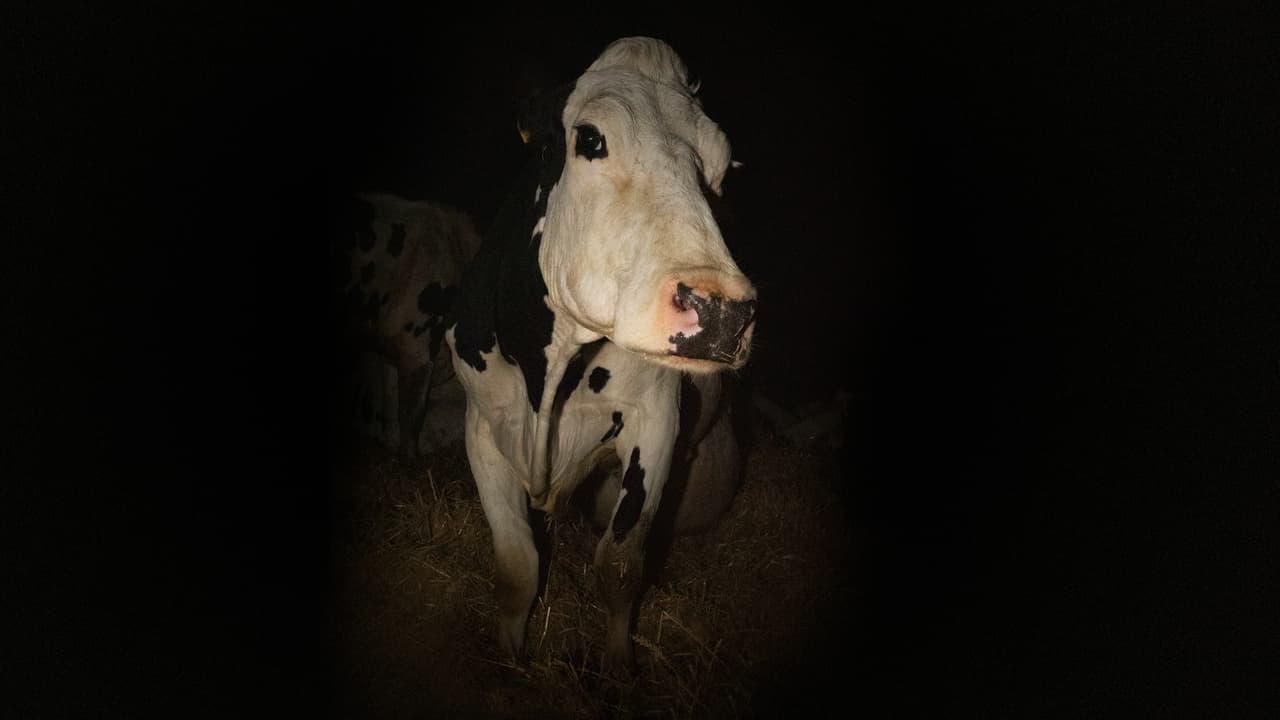
Life in a Day (2011) takes the opposite route to the same end. Its makers invited people everywhere to film their own lives on a single day, 24 July 2010, and received some eighty thousand clips from 192 countries. The director Kevin Macdonald and his editor shaped them into one day from waking to midnight. The result is a wordless film made entirely of words, and a warm one. Cow (2022), by Andrea Arnold, narrows the view as far as it will go, to the daily life of a single dairy cow, and asks the viewer simply to watch.
Werner Herzog and the curious camera
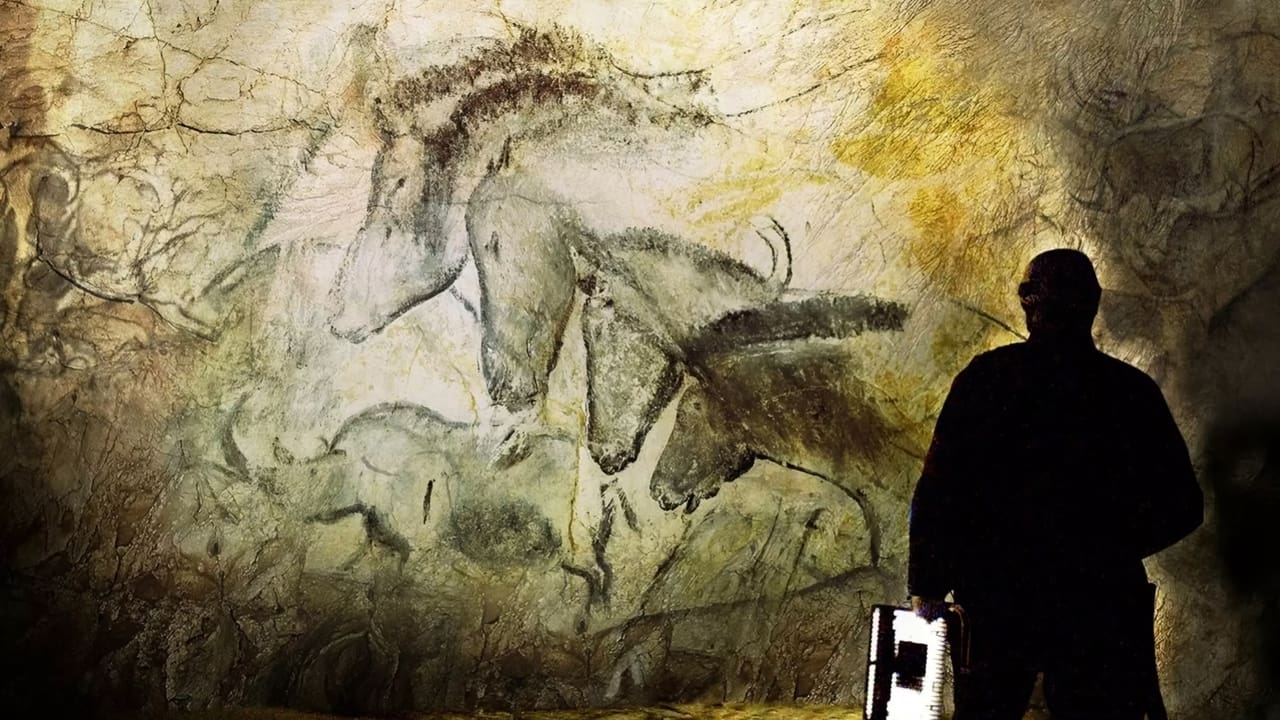
Eight titles in the catalogue involve the German director Werner Herzog, whose voice, grave, amused and unmistakable, is one of the pleasures of the modern documentary. Herzog goes to remote places, asks the people he finds there unexpected questions, and reports what he saw as if writing home. Cave of Forgotten Dreams (2010) is the place to begin. The Chauvet cave in southern France, sealed by a rockfall for some twenty thousand years and found again in 1994, holds the oldest known paintings in the world: horses, lions, rhinoceroses and bears drawn in charcoal by firelight. Very few people are allowed in. Herzog was given a few days with a crew of four, and the film he made is the nearest most of us will come to standing there.
Encounters at the End of the World (2008) takes him to Antarctica, where he is less interested in penguins than in the scientists, drivers and divers who have chosen to live at the bottom of the world. Into the Inferno (2016) visits active volcanoes in Indonesia, Iceland, Ethiopia and Vanuatu in the company of the volcanologist Clive Oppenheimer, and the pair travel again in Fireball: Visitors from Darker Worlds (2020), which follows meteorites from the craters they have made to the laboratories that study them. Lo and Behold: Reveries of the Connected World (2016) is his essay on the internet, starting in the room where the first message was sent. Happy People: A Year in the Taiga (2010) follows fur trappers through four seasons on the river Yenisei in Siberia.
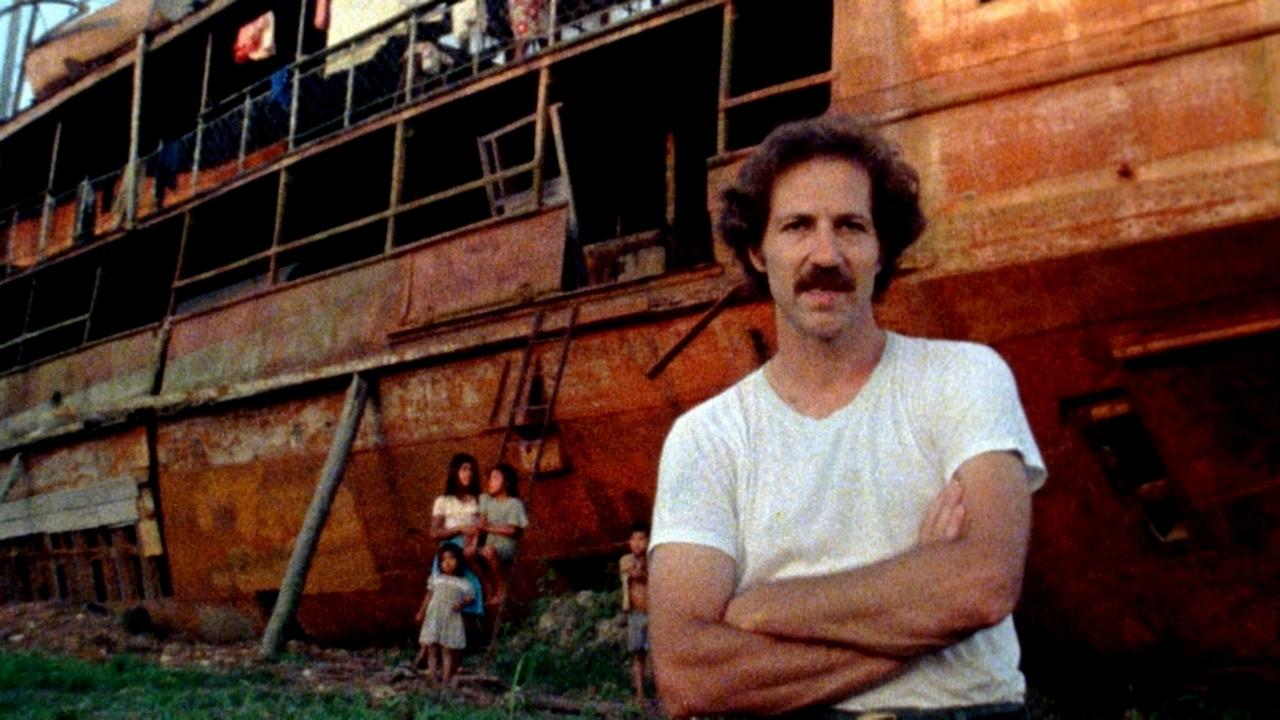
Two films by the American documentary maker Les Blank show Herzog from the outside. Burden of Dreams (1982) was filmed in the Amazon during the making of Fitzcarraldo, for which Herzog insisted on hauling a real steamship over a real hill; it is one of the best films ever made about film-making. Werner Herzog Eats His Shoe (1980) is a twenty-minute record of exactly that: Herzog had promised a young colleague that he would eat his shoe if the colleague ever finished a film, and kept his word in front of an audience.
Nature
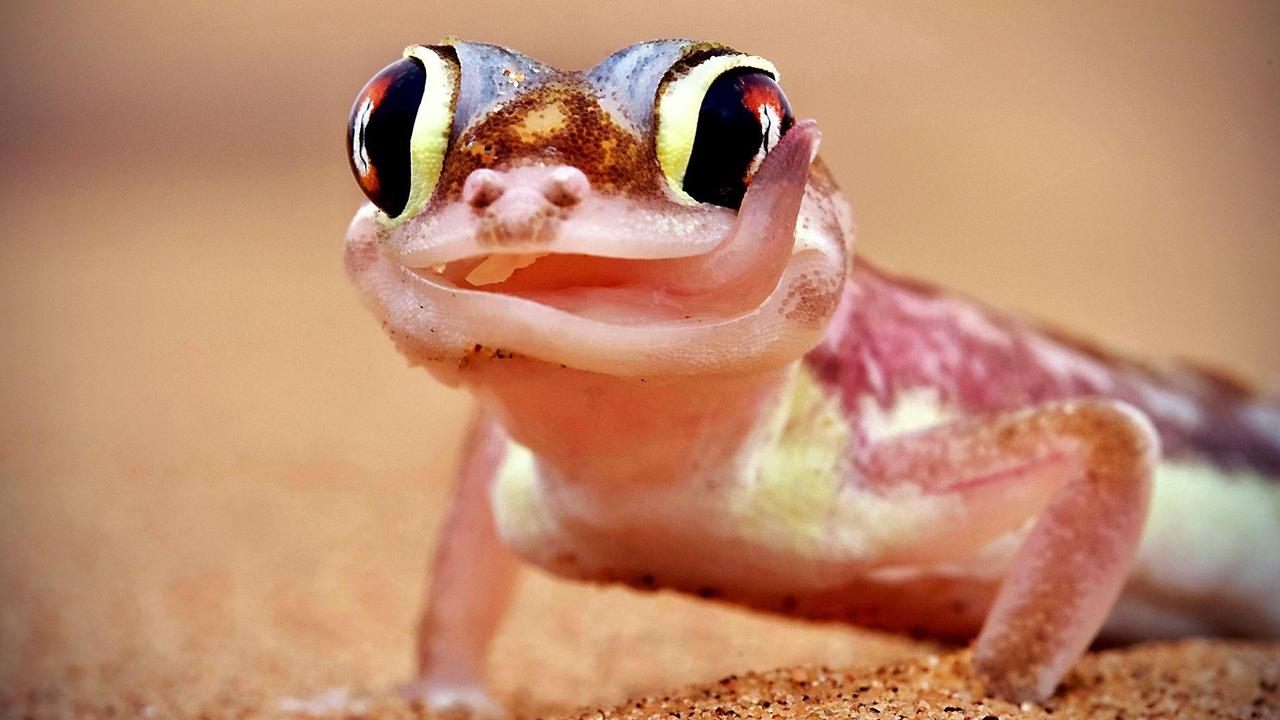
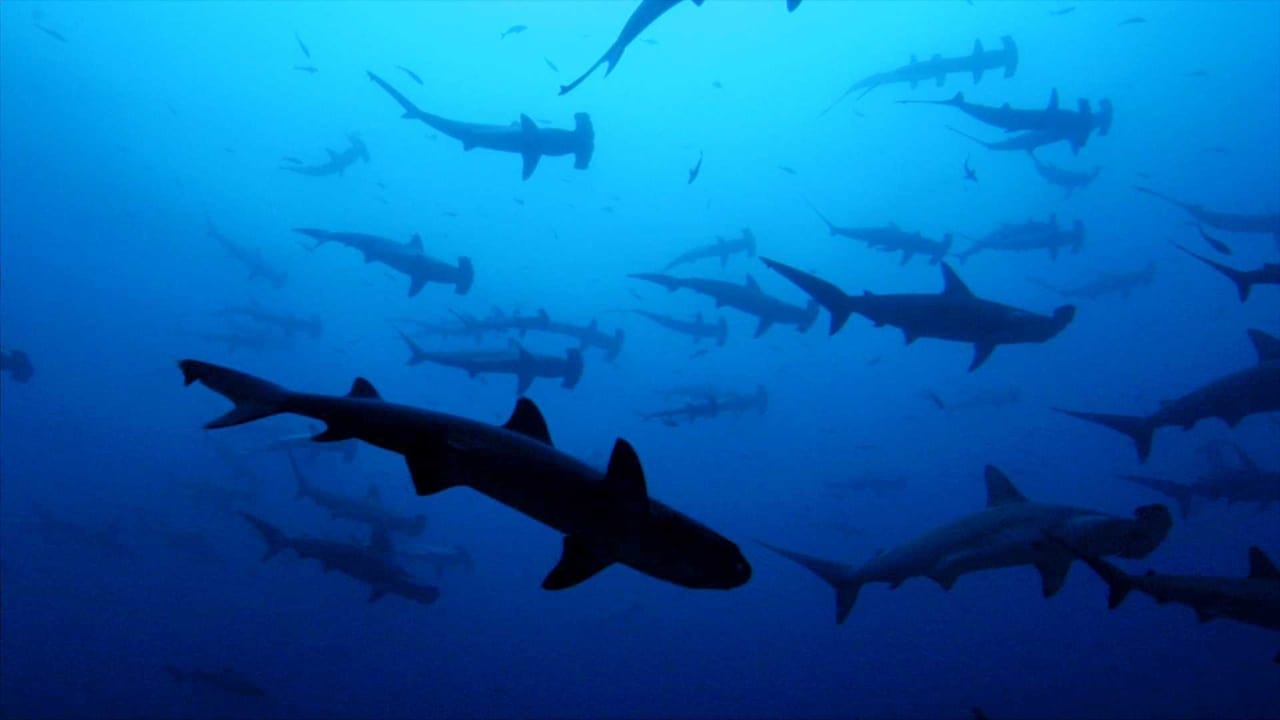
The natural history documentary is the most popular form of all, and the twenty-three titles under Nature cover it from several sides. The Last Lions (2011), filmed by Dereck and Beverly Joubert in the Okavango Delta of Botswana and narrated by Jeremy Irons, follows a single lioness as she tries to raise her cubs on an island in the marshes. It is told as a story, with a heroine and a great deal of suspense, and is suitable for older children. Under the Sea 3D (2009), narrated by Jim Carrey, is a gentle tour of the reefs of the western Pacific, with sea lions, cuttlefish and a garden of eels, made for the giant screen and ideal for the youngest viewers.
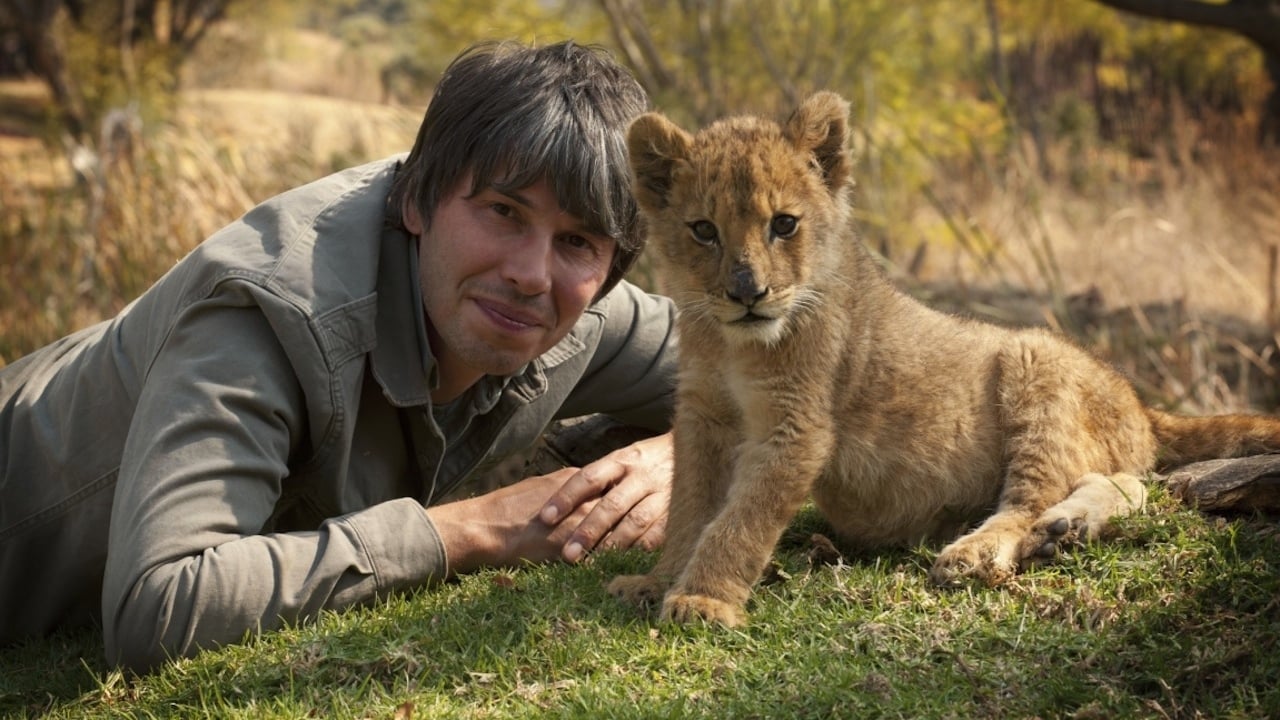
Among the series, Animal (2021) devotes each episode to one family of creatures, big cats, dogs, marsupials, octopuses, with a different narrator each time. Savage Kingdom (2016), narrated by Charles Dance, follows rival families of lions, leopards and wild dogs in a drying corner of Botswana and tells their story in the manner of a royal chronicle. Hostile Planet (2019), presented by Bear Grylls, visits mountains, oceans, grasslands, jungles, deserts and the poles to show how animals cope with the hardest conditions on earth, and Extreme Animals: One Wild Day (2020) follows a single day from dawn to dusk in three episodes. Wonders of Life (2013) sends the physicist Brian Cox around the world to ask how the laws of physics give rise to living things.
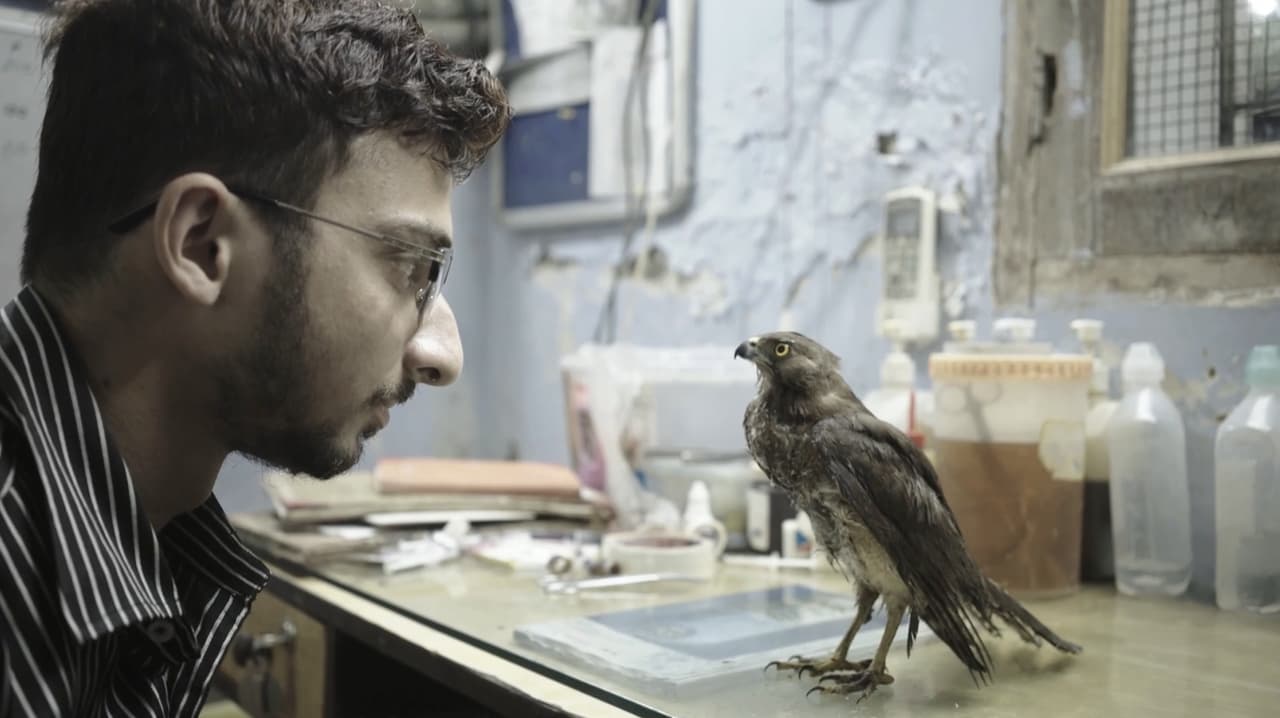
Animals closer to home have their own titles. Dogs (2018) tells stories of dogs and their people from Syria to Japan to a fishing village in Italy. The Secret Life of Our Pets (2022), narrated by Hugh Bonneville, uses new cameras and recent science to show what cats, dogs, rabbits and parrots are really capable of. Crikey! It's the Irwins (2018) follows Terri, Bindi and Robert Irwin as they run Australia Zoo, and is a firm favourite with children. The Eagle Huntress (2016), narrated by Daisy Ridley, is the story of Aisholpan, a thirteen-year-old girl in the mountains of western Mongolia who trains a golden eagle and enters a festival that had always been for men. All That Breathes (2022) is set in Delhi, where two brothers run a small clinic for the black kites that fall from the city's sky; it won prizes at both Sundance and Cannes.
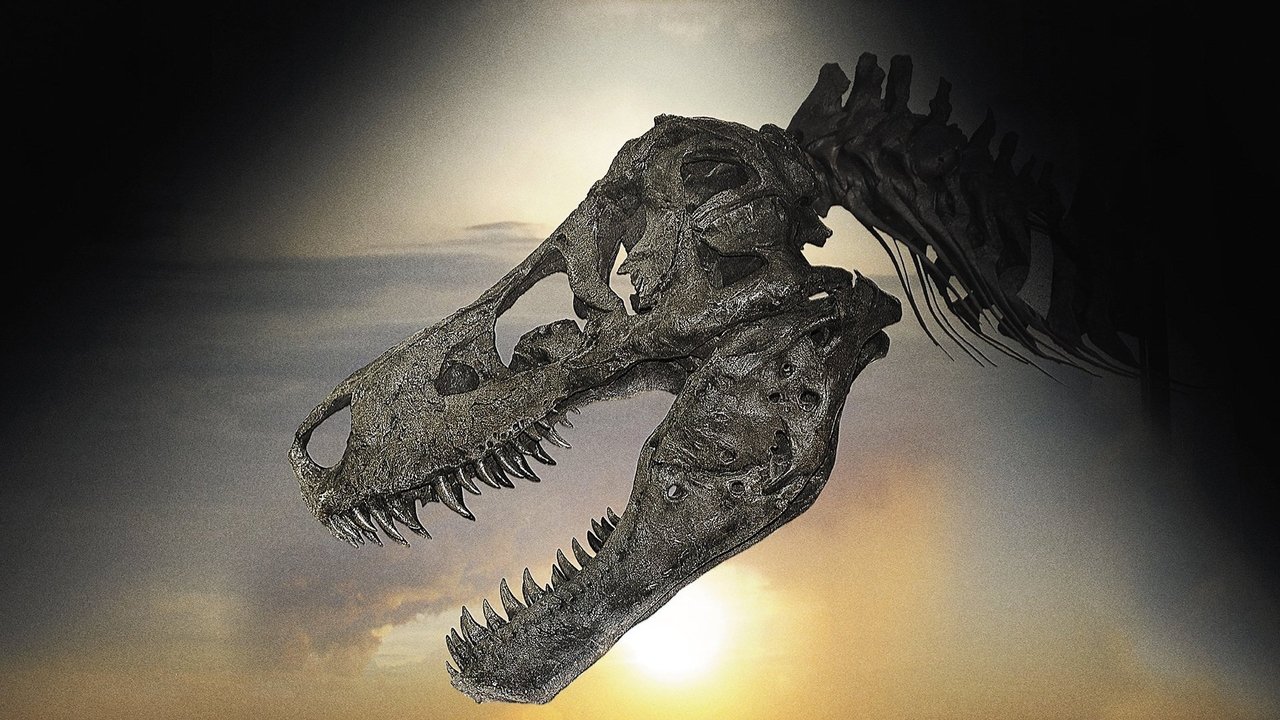
The past and the future of animal life are covered as well. Planet Dinosaur (2011), narrated by John Hurt, uses computer animation to show dinosaurs discovered since the 1990s, among them the feathered hunters of China and the giants of Argentina. Dinosaur Planet (2003), narrated by Christian Slater, follows four individual dinosaurs through four stories. Dinosaur 13 (2014) tells the true story of Sue, the largest and most complete Tyrannosaurus rex ever found, and of the long argument over who owned her. The Future Is Wild (2002) asks scientists to imagine the animals that might evolve five, one hundred and two hundred million years from now.
The planet
Twenty-five titles look at the earth itself. Chasing Ice (2012) follows the photographer James Balog, who placed dozens of time-lapse cameras beside glaciers in Greenland, Iceland, Alaska and Montana and left them running for years. The pictures they brought back, of rivers of ice shrinking month by month, made an argument that statistics had failed to make. The same director, Jeff Orlowski, went under water for Chasing Coral (2017), in which a team of divers and engineers tries to record a reef as it loses its colour. An Inconvenient Truth (2006), built around a lecture by Al Gore, won the Academy Award for documentary feature and did more than any other film to bring the subject to a wide public; Before the Flood (2016) follows Leonardo DiCaprio on a three-year journey to see the changes for himself.
The films of David Attenborough are well represented elsewhere, and here he appears in Breaking Boundaries: The Science of Our Planet (2021), in which the Swedish scientist Johan Rockström sets out the limits within which the planet stays stable. Kiss the Ground (2020), narrated by Woody Harrelson, makes the hopeful case that healthy soil can draw carbon out of the air. Earth from Space (2019), narrated by Chiwetel Ejiofor, uses satellite cameras to show patterns too large to see from the ground: the colours of plankton blooms, the shadows of elephants, a city spreading across a desert. Orbit: Earth's Extraordinary Journey (2012) follows the planet through one trip around the sun and explains the seasons, the tides and the weather on the way, and Europe from Above (2019) flies over the continent country by country.
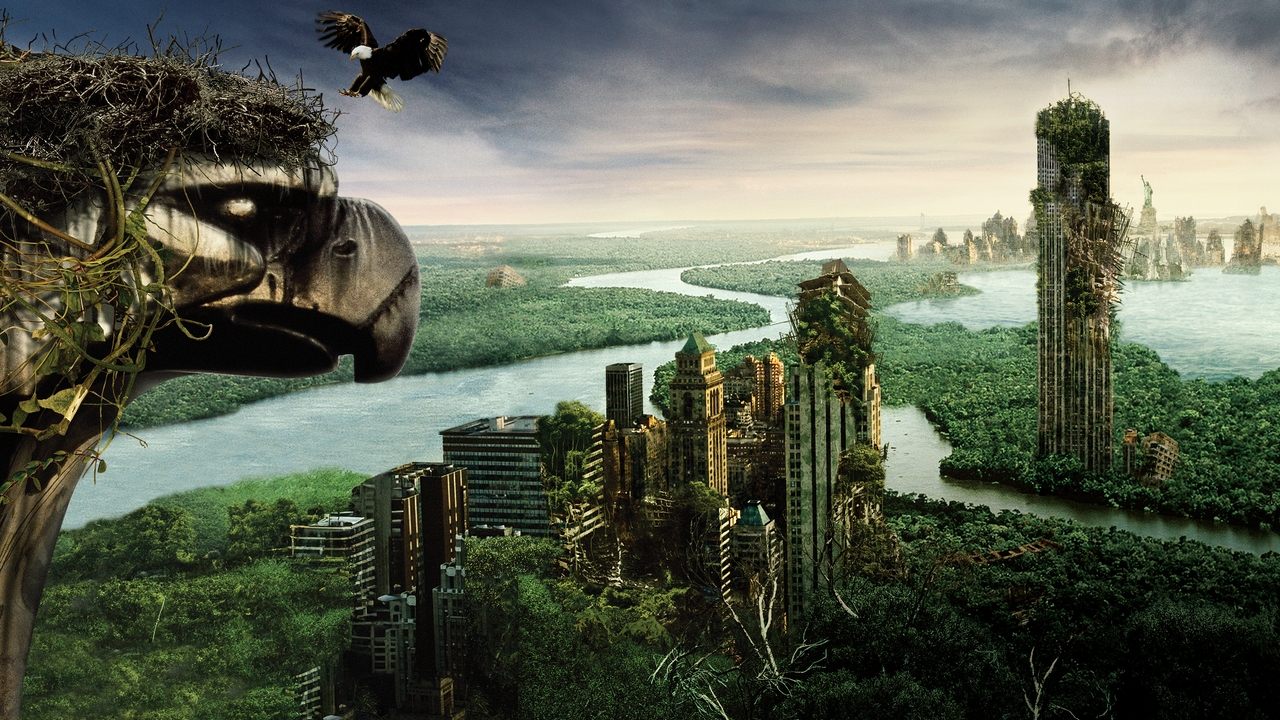
The earth in a fiercer mood is the subject of Earthstorm (2022), four episodes on volcanoes, tornadoes, hurricanes and earthquakes told by the people who study and survive them, and of The Twister: Caught in the Storm (2025), about the tornado that struck Joplin, Missouri, in 2011, told by those who were teenagers at the time. The Dust Bowl (2012), by Ken Burns, recalls the great drought of the 1930s on the American plains through the memories of people who lived through it as children. Antarctica: A Year on Ice (2013) was filmed over ten years by Anthony Powell, a technician at the research stations, and shows what the long polar night is like for those who stay through it. Life After People: The Series (2009) imagines how buildings, bridges and cities would change if they were left to nature.
Space
The sixteen titles under Space divide between the real exploration of the universe and the stories people have told about it. IMAX Hubble (2010), narrated by Leonardo DiCaprio, was filmed by the astronauts of the space shuttle Atlantis during the last mission to repair the Hubble Space Telescope, and then travels through the telescope's own pictures to the nurseries where stars are born. At forty-five minutes it is a perfect introduction for a family. Apollo 13: Survival (2024) retells the flight of April 1970, when an explosion on the way to the moon turned a landing into a rescue, using the original film and recordings from the spacecraft and from mission control.
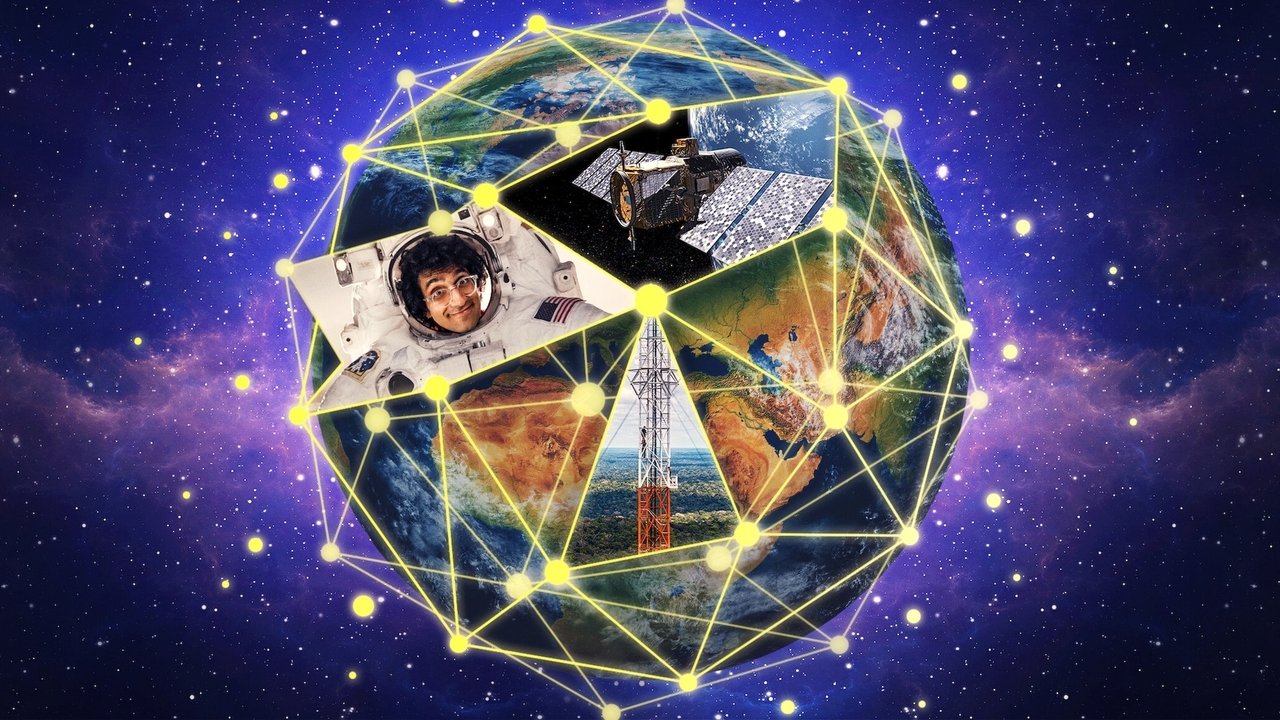
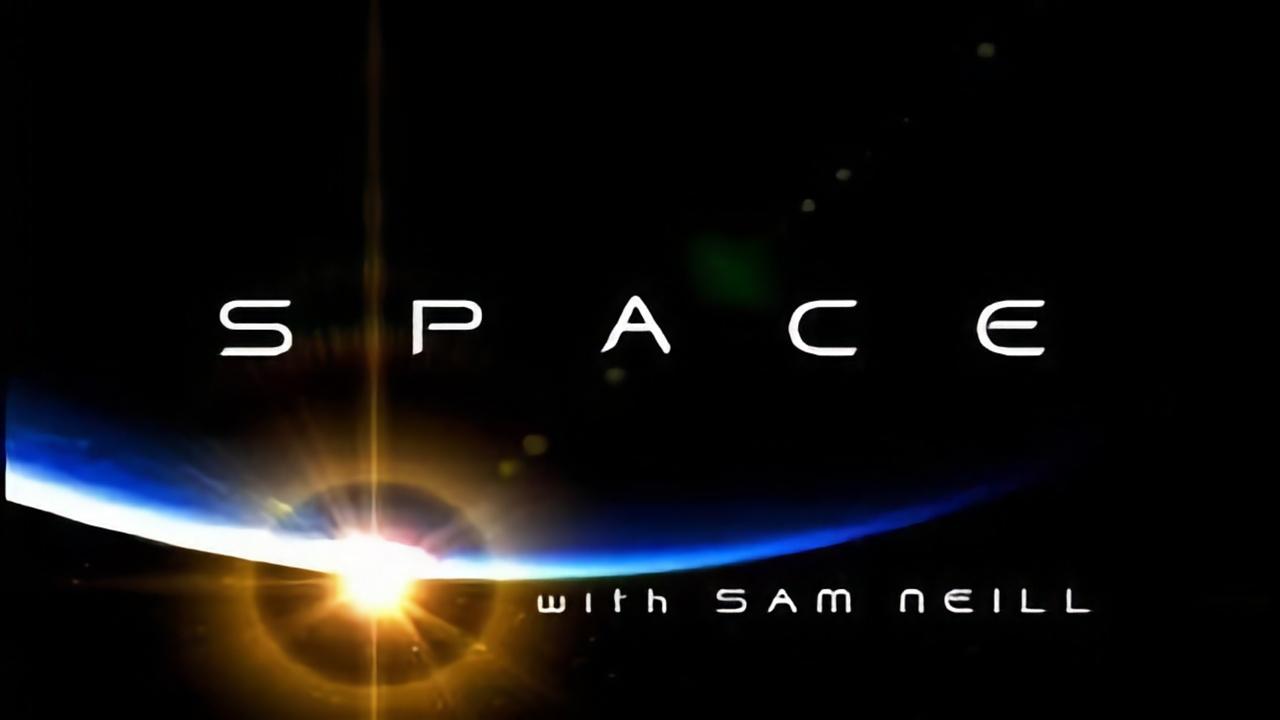
Space Race (2005) is a four-part dramatised history from the BBC, which follows the two engineers who led the rival programmes, Sergei Korolev in the Soviet Union and Wernher von Braun in the United States, from 1945 to the moon landing. Space (2001), presented by the actor Sam Neill, is a six-part tour of the universe from the birth of the stars to the search for other earths. Year Million (2017), narrated by Laurence Fishburne, mixes interviews with scientists and a running drama to imagine human life far in the future, and Connected (2020) follows the science journalist Latif Nasser as he traces surprising links, between dust from the Sahara and the Amazon forest, for instance, or between clouds and computers.
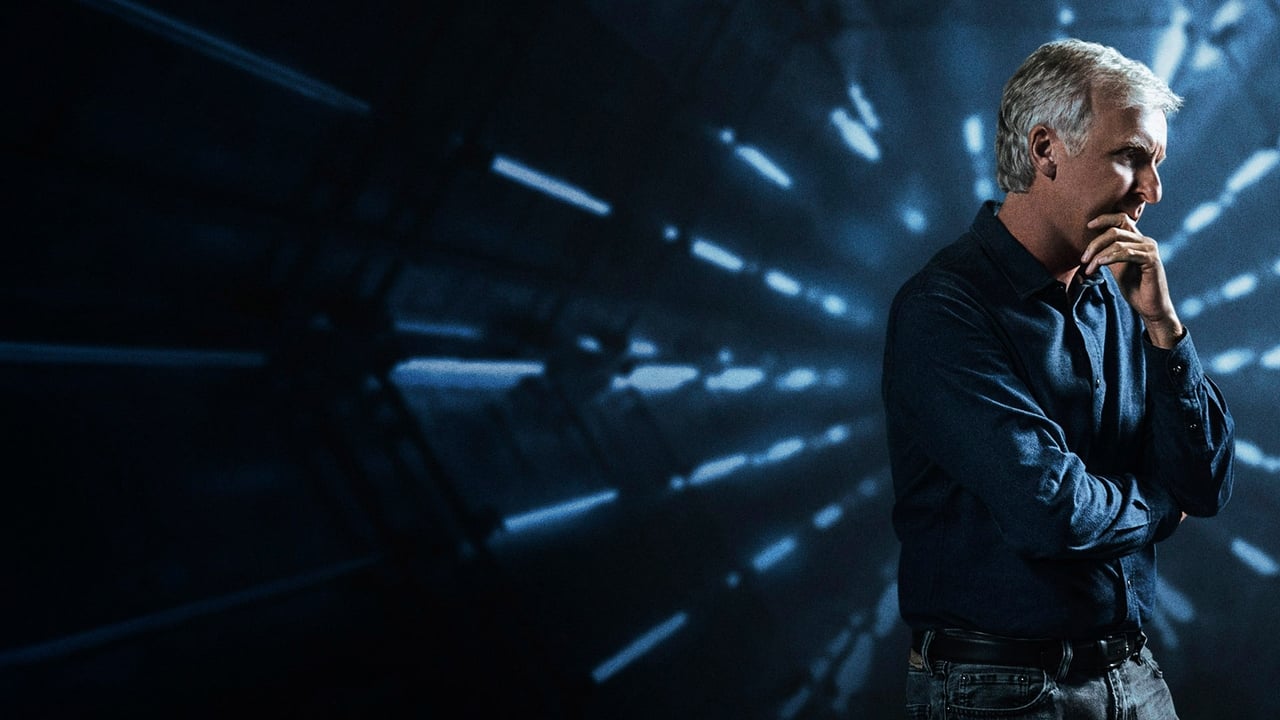
Science fiction has four series to itself. James Cameron's Story of Science Fiction (2018) seats the director opposite Steven Spielberg, George Lucas, Ridley Scott and others to discuss aliens, space travel, monsters, time travel and intelligent machines. The Real History of Science Fiction (2014) covers the same ground in four themed episodes with the writers and actors who made the classics. Prophets of Science Fiction (2011), introduced by Ridley Scott, devotes each episode to one author, from Mary Shelley and Jules Verne to Arthur C. Clarke, and asks how much of what they imagined has come true. The Center Seat: 55 Years of Star Trek (2021) tells the history of that series from its first pilot, and Trekkies (1997) is an affectionate portrait of its most devoted admirers.
Science, minds and machines
The largest group of series on Belgeselx, thirty-one titles, is concerned with how things work. AlphaGo (2017) is the outstanding film among them. Go is an ancient board game of such depth that computers were long expected to need decades more before they could beat the best human players. In March 2016 a program built by a London company played five games in Seoul against Lee Sedol, one of the greatest players in history, and the film follows both sides through the week. It is a sports film, a science film and, in its last half hour, a moving study of a champion meeting something new. The Speed Cubers (2020) is shorter and just as warm: the friendship between the two fastest solvers of the Rubik's Cube in the world, one from Australia and one from California.
Thinking machines are the subject of The Age of A.I. (2019), presented by Robert Downey Jr., which visits laboratories where software learns to compose music, drive cars and help doctors, and of Do You Trust This Computer? (2018), which asks researchers how far the process should go. The Future Of (2022) takes one topic an episode, from houseplants to sport, and What's Next? The Future with Bill Gates (2024) sets its presenter to talk with scientists and with his critics. Inside Bill's Brain: Decoding Bill Gates (2019) is a three-part portrait built around three engineering problems, and Steve Jobs: The Lost Interview (2012) presents seventy minutes of conversation filmed in 1995 and found in a garage years later.
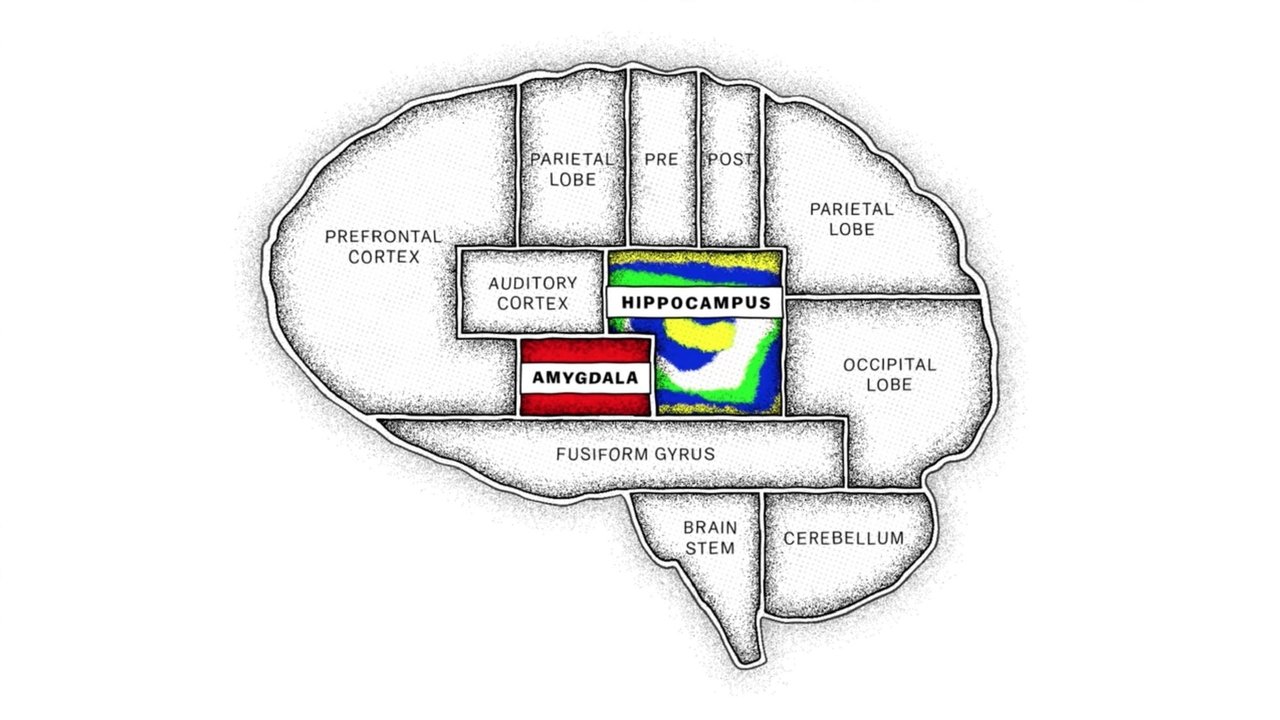
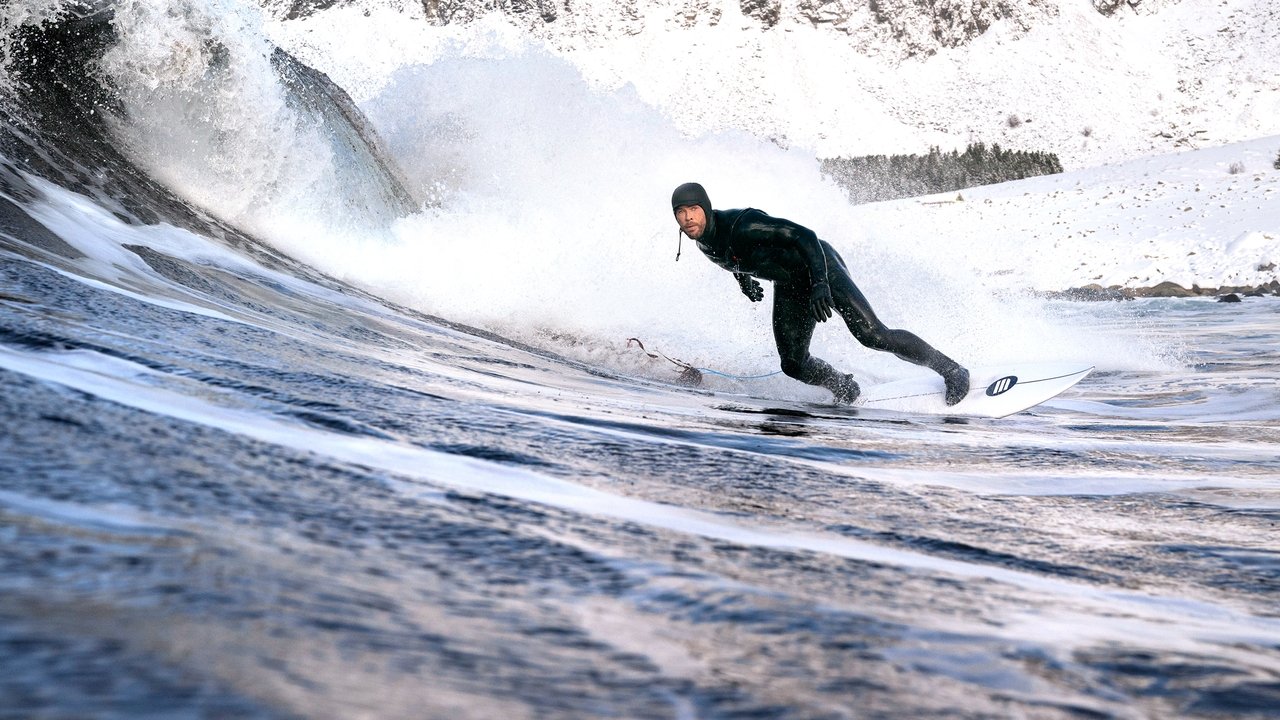
The human body and mind have their own shelf. The Mind, Explained (2019) gives twenty minutes each to memory, dreams, attention and other workings of the brain, and Babies (2020) follows fifteen families through the first year of life alongside the scientists who study it. My Beautiful Broken Brain (2014) was begun by its subject, Lotje Sodderland, on her telephone a few days after a stroke at the age of thirty-four, and records her recovery with honesty and wonder. Limitless with Chris Hemsworth (2022) sends the actor through six challenges devised by specialists in ageing, and Live to 100: Secrets of the Blue Zones (2023) visits five places where people commonly reach a great age.
British television excels at the enthusiast with a workshop. James May's Toy Stories (2009) sets out to prove that the toys of the past still have life in them by building with them on a heroic scale: a garden of modelling clay, a full-size house of plastic bricks, a model railway ten miles long. The same presenter tells the history of the family car in James May's Cars of the People (2014). Savage Builds (2019) gives Adam Savage a new engineering project each week, and The Great Escapists (2021) strands Richard Hammond and Tory Belleci on an island with a wrecked boat and a great many ideas. Shock and Awe: The Story of Electricity (2011), presented by Professor Jim Al-Khalili, is a clear three-part history from the first sparks to the modern grid, and History 101 (2020) explains subjects such as plastics, robots and the space race in twenty minutes each. The World According to Jeff Goldblum (2019) lets its host follow his curiosity about ice cream, trainers, bicycles and much else.
History
The history shelf keeps to discoveries, buildings and daily life. Egypt has three titles. Secrets of the Saqqara Tomb (2020) follows a team of Egyptian archaeologists through one digging season at a tomb that had lain unopened for more than four thousand years, and is notable for letting the diggers themselves tell the story. Tut's Treasures: Hidden Secrets (2018) re-examines the objects found with Tutankhamun, and Egypt (2005), a dramatised series from the BBC, tells in six parts how Howard Carter found that tomb, how Giovanni Belzoni brought the great statues to Europe and how Jean-François Champollion learned to read the hieroglyphs.
Rome is seen through the eyes of Professor Mary Beard in Meet the Romans with Mary Beard (2012), which reads the tombstones of bakers, slaves, children and shopkeepers to describe the ordinary life of the ancient city. Pompeii: Out of Time with Tom Hiddleston (2026) explores the town preserved by the eruption of Vesuvius. Secrets of Great British Castles (2015) gives the historian Dan Jones an episode each for Dover, Warwick, Caernarfon, the Tower of London and others, and Lost Cities with Albert Lin (2019) uses laser scanning from the air to find buried streets and walls at Petra, in the jungles of Colombia and on islands in the Pacific. Drain the Oceans (2018) applies similar methods to the sea floor, removing the water by computer to reveal shipwrecks and drowned landscapes.
Three series attempt the whole story. Andrew Marr's History of the World (2012) covers seventy thousand years in eight episodes, and Mankind: The Story of All of Us (2012), narrated by Josh Brolin, does the same in twelve. Civilisations (2018), presented by Simon Schama, Mary Beard and David Olusoga, tells the story of art on every continent from the first cave paintings onward. Secrets of the Neanderthals (2024), narrated by Patrick Stewart, joins a dig in a cave in Iraqi Kurdistan and shows how much the picture of our nearest relatives has changed. Benjamin Franklin (2022), by Ken Burns, is a two-part life of the printer, scientist and diplomat, and Legendary Locations (2017) sends the explorer Josh Gates to places where a story and a landscape meet.
Cinema about cinema
Thirty-four titles are about films and the people who make them, which makes Cinema the largest subject on Belgeselx. Two great histories lead the list. Hollywood (1980), made by Kevin Brownlow and David Gill and narrated by James Mason, tells the story of the American silent film in thirteen episodes, and was made just in time to interview the directors, stars, cameramen and stunt riders who had been there. It remains the finest television series ever made about the movies. The Story of Film: An Odyssey (2011), written and narrated by Mark Cousins, covers the whole history of cinema around the world in fifteen hours, and is as interested in Senegal, Iran and Japan as in California.
The silent comedians have films of their own. The Great Buster: A Celebration (2018), by Peter Bogdanovich, follows Buster Keaton from the vaudeville stage to the features of the 1920s and saves the best of them for last. Charlie: The Life and Art of Charles Chaplin (2003), by the critic Richard Schickel, draws on the Chaplin family archive. Dawson City: Frozen Time (2017) tells one of the strangest stories in film history: in 1978 a bulldozer in a gold-rush town in the Canadian Yukon uncovered more than five hundred reels of silent film that had been buried under an ice rink for half a century, and the documentary is made almost entirely from what they contained.
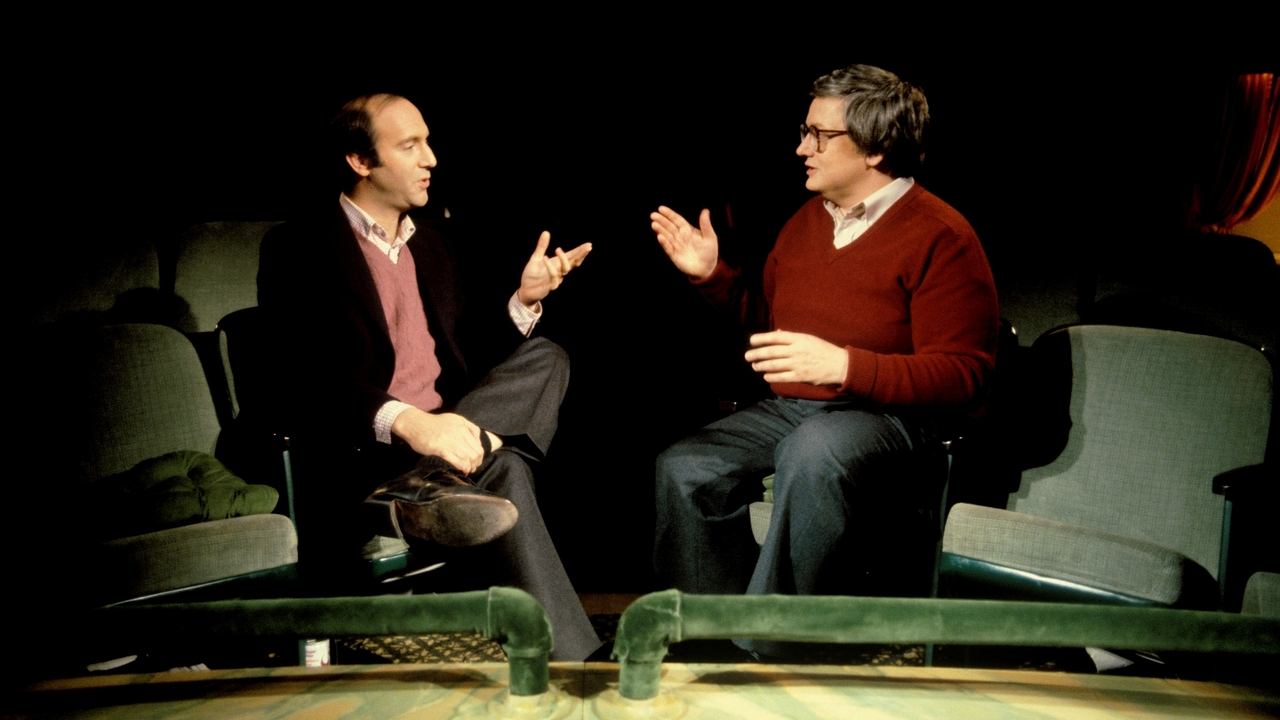
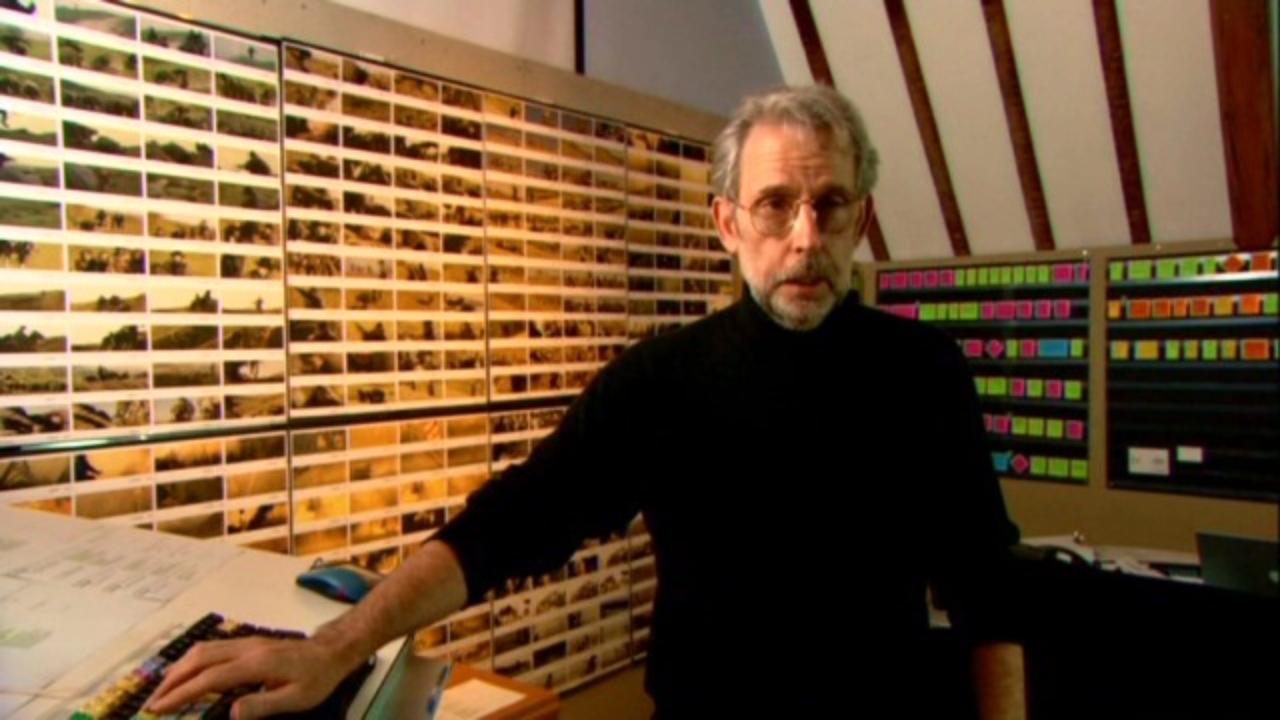
Films about films in the making are a pleasure of their own. Lost in La Mancha (2002) set out to record Terry Gilliam directing his version of Don Quixote in Spain and became, as storms, illness and jet aircraft intervened, a record of a production that had to stop. The Cutting Edge: The Magic of Movie Editing (2004), narrated by Kathy Bates, explains the least visible of the film crafts with examples from a century of cinema. Avatar: Creating the World of Pandora (2010) goes behind a famous use of computer imagery, Into the Unknown: Making Frozen II (2020) spends the last year of production inside the Disney animation studio, and Inside Pixar (2020) meets the artists, bakers and engineers of another. Voir (2021) is a set of personal essays by critics on the films that shaped them, and Life Itself (2014) is a portrait of the most widely read critic of all, Roger Ebert.
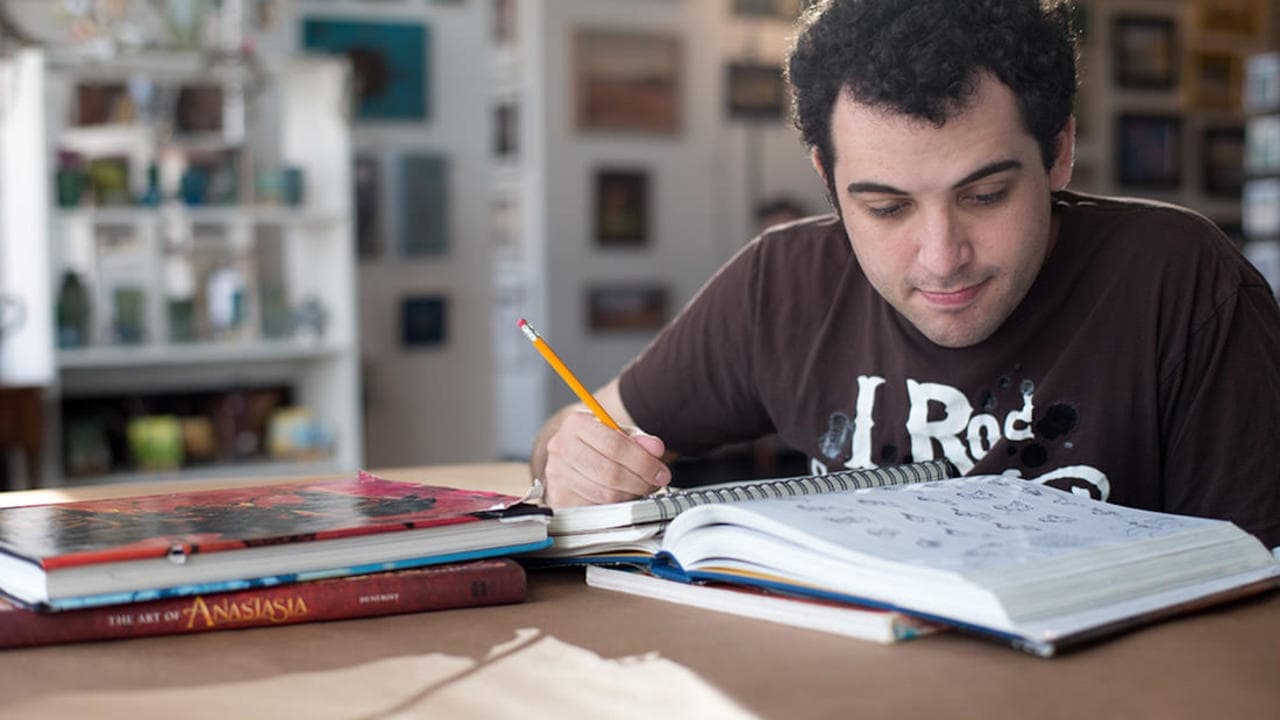
The Disney company appears in several titles. The Imagineering Story (2019), by Leslie Iwerks, is a six-part history of the designers and engineers who build the theme parks, from the opening of Disneyland in 1955 to Shanghai. Mickey: The Story of a Mouse (2022) traces a cartoon character through nearly a century, and Prop Culture (2020) reunites famous costumes and props with the people who used them. Life, Animated (2016) is the true story of Owen Suskind, a boy with autism who found his way back to speech through the animated films he knew by heart; it was nominated for an Academy Award and is one of the most affecting films in the catalogue.
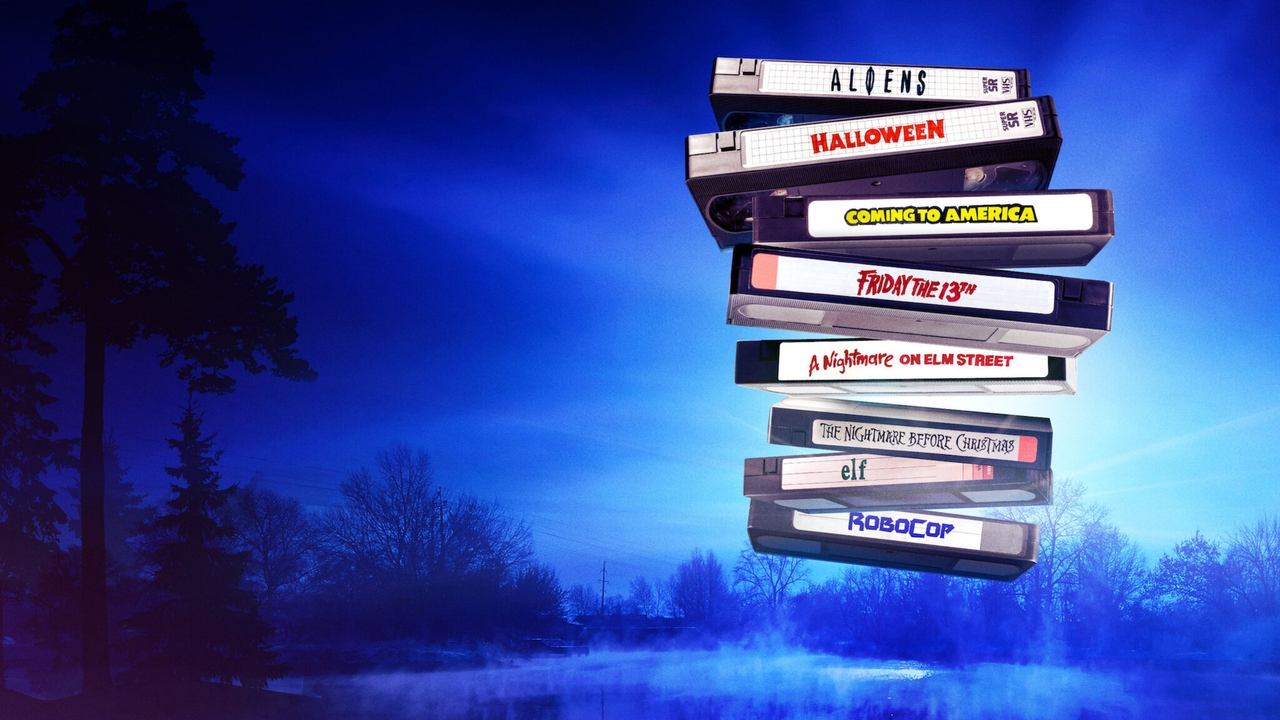
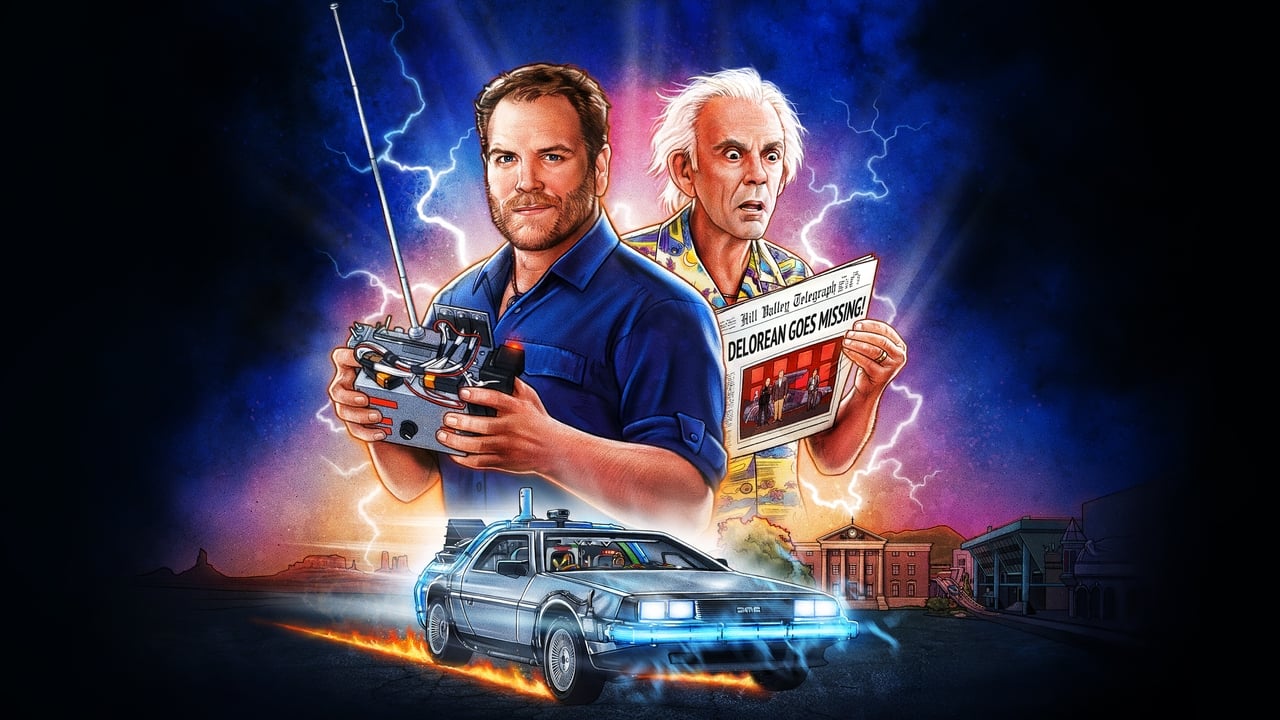
Popular memory gets its due as well. The Movies That Made Us (2019) and The Holiday Movies That Made Us (2020) tell the stories behind well-loved hits with humour, The Movies (2019) takes American cinema decade by decade, and 100 Years of Warner Bros. (2023), narrated by Morgan Freeman, follows one studio through a century. Rewind This! (2013) remembers the videotape and The Last Blockbuster (2020) visits the one remaining shop of a rental chain that once had nine thousand. I Know That Voice (2014) introduces the actors behind famous cartoon characters, and Expedition: Back To The Future (2021) sends Josh Gates and Christopher Lloyd in search of the surviving time-machine cars.
Journeys and mountains
The journey is the oldest plot there is, and twenty-eight documentaries here are built on one. The three Long Way series follow the actor Ewan McGregor and his friend Charley Boorman on motorcycles. Long Way Down (2007) runs from the northern tip of Scotland through Europe and the length of Africa to Cape Town. Long Way Up (2020) starts in Ushuaia at the foot of Argentina and climbs through thirteen countries to Los Angeles on electric machines, which adds the question of where to plug in. Long Way Home (2025) takes the pair on old motorcycles from Scotland to England by a very indirect route through Scandinavia and the Alps. The pleasure of all three lies in the friendship and in the people met along the road.
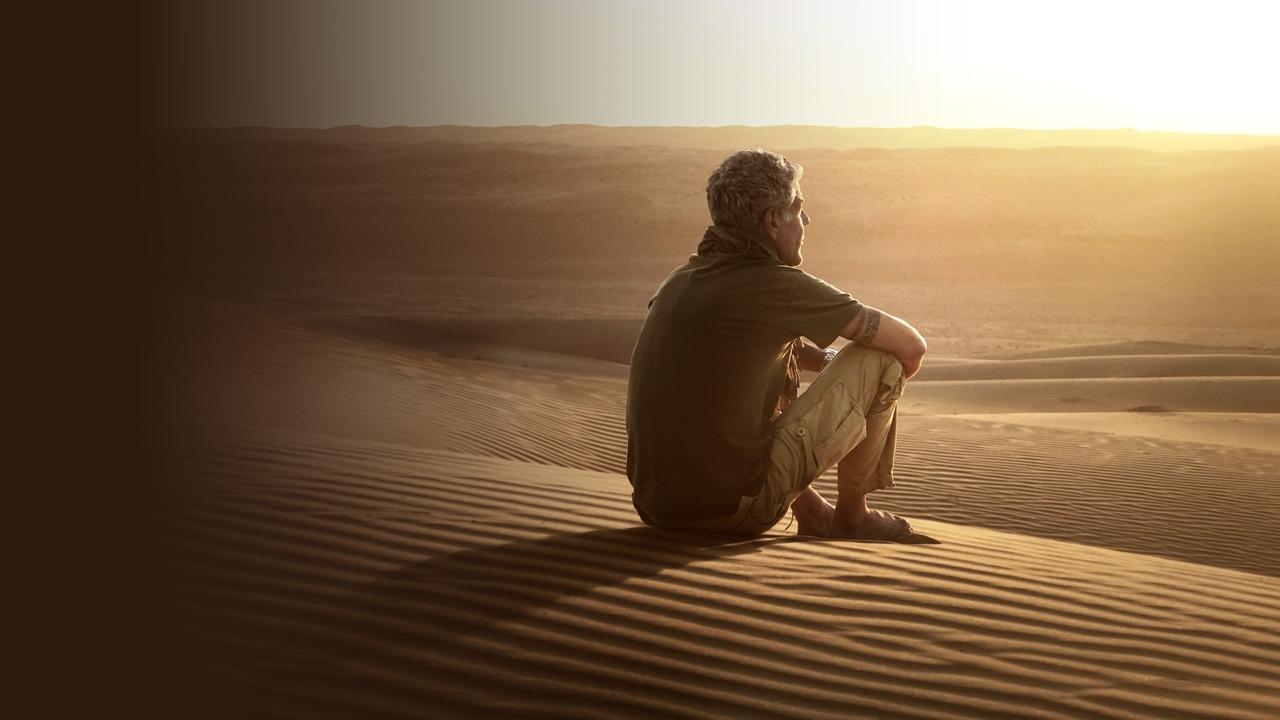
Travel with a lighter step is offered by The Reluctant Traveller with Eugene Levy (2023), in which the Canadian actor, who admits he would rather stay at home, is sent to Finland, Costa Rica, Venice, the Maldives and beyond and finds himself enjoying it. Anthony Bourdain: Parts Unknown (2013) is the great travel series of its time: ninety-five episodes in which a cook and writer sits down to eat with people in every corner of the world and listens to them. It is made for adults and older teenagers, and Anthony Bourdain: The Layover (2011) is its brisker companion, built on a day or two in one city. On the Roam (2024) follows Jason Momoa to meet craftspeople, from guitar makers to motorcycle builders.
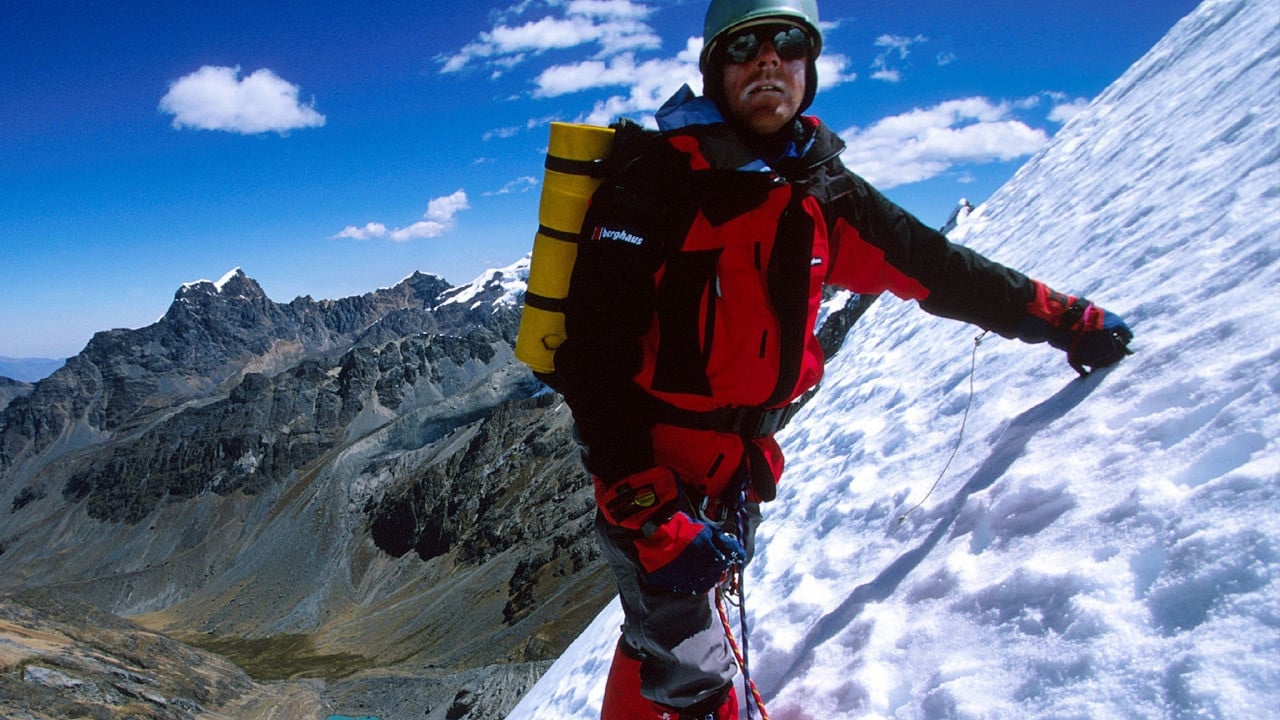
Mountains produce some of the most gripping films in the catalogue. Touching the Void (2003), directed by Kevin Macdonald, reconstructs the 1985 climb of Siula Grande in Peru by two young British mountaineers, Joe Simpson and Simon Yates, and the long descent that followed an accident near the summit. Both men tell the story to the camera, so the outcome is known from the first minute, and the film is gripping all the same. Everest (1998), narrated by Liam Neeson, carried a giant-screen camera to the top of the world. Sherpa (2015) tells the story of an Everest season from the side of the Sherpa guides who make the climbs possible, and Valley Uprising (2014) is a lively history of rock climbing in Yosemite from the 1950s to the present.
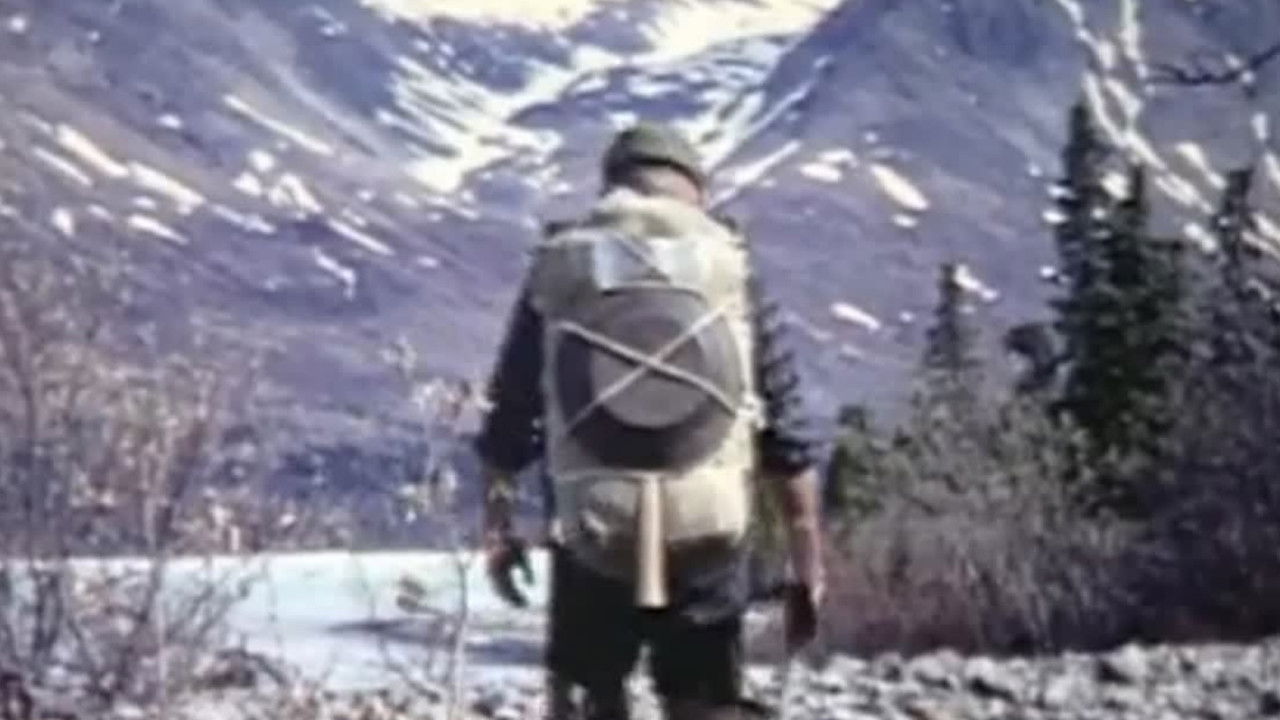
Four films are about one person and the wild. Maidentrip (2014) follows Laura Dekker of the Netherlands, who set sail alone at fourteen and filmed her own two-year voyage around the world. Alone in the Wilderness (2004) uses film shot by Dick Proenneke himself, who retired at fifty, went to a lake in Alaska in 1968, built a log cabin by hand and stayed for thirty years. Primal Survivor (2016) sends the guide Hazen Audel to learn old skills from the peoples who still use them, and Fishing with John (1991) is a gently absurd series in which the musician John Lurie, who knows little about fishing, takes famous friends to try it.
Two rescue stories belong here too. The Rescue (2021) reconstructs the eighteen days in 2018 when twelve boys and their football coach were trapped by floodwater deep in a cave in northern Thailand, and the small group of amateur cave divers from several countries who brought every one of them out. It is among the highest-rated films on Belgeselx. Last Breath (2019) tells of a diver working on the bed of the North Sea whose line to the surface was cut, and of the crew who went back for him.
The arts
Twenty-one documentaries deal with music, painting, dance and design. Ken Burns has two great series here. Jazz (2001) tells the story of the music in ten long episodes, from New Orleans at the start of the century through Louis Armstrong and Duke Ellington to the present, with hundreds of recordings and photographs. Country Music (2019) does the same in eight episodes for the songs of the American South and West. Soundbreaking (2016) is a history of the recording studio, from the first multitrack tapes to the laptop, and Watch the Sound with Mark Ronson (2021) lets a working producer explain reverb, sampling, drum machines and distortion with the musicians who use them.
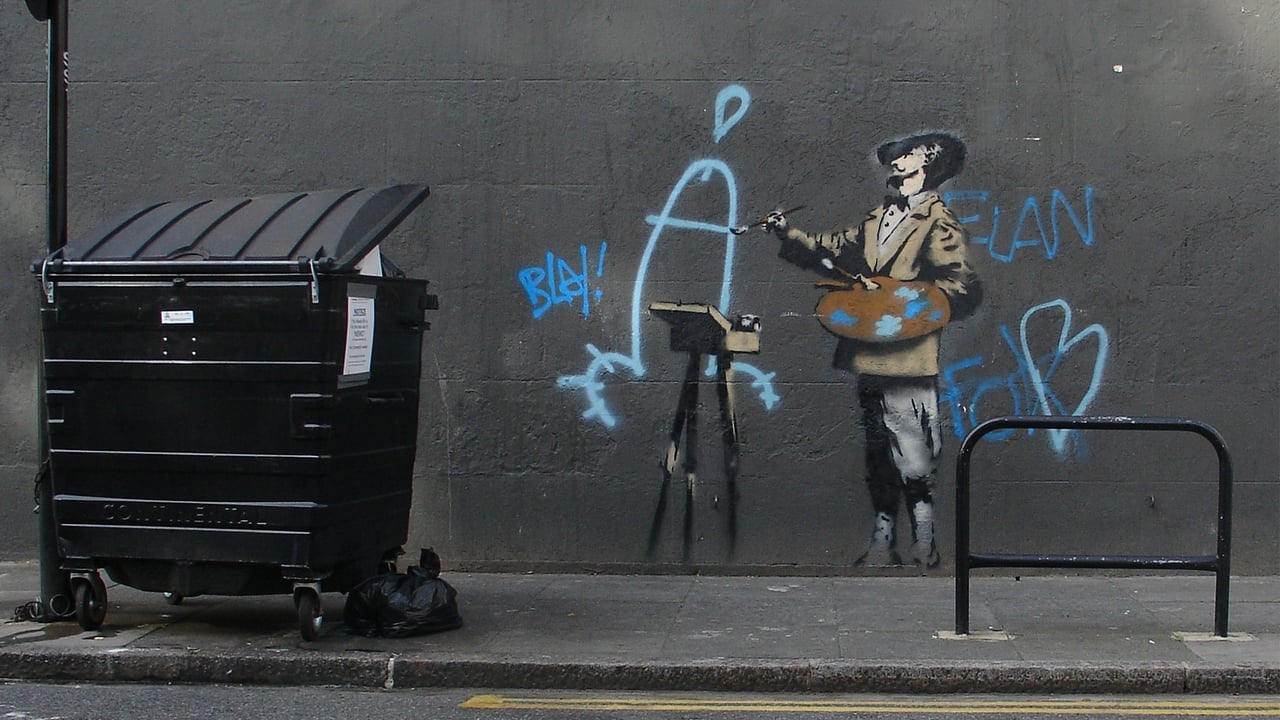
Street art has two films. Exit Through the Gift Shop (2010), credited to the anonymous British artist Banksy, begins as a portrait of a Frenchman in Los Angeles who films street artists at night, and turns into a comedy about the art market; it was nominated for an Academy Award. Banksy Does New York (2014) records the month in 2013 when the artist unveiled one new work a day somewhere in the city and New Yorkers raced to find each one. Made You Look: A True Story About Fake Art (2020) tells how one of the oldest galleries in New York came to sell paintings that turned out to be modern copies.
Fashion and photography are covered by Bill Cunningham New York (2011), a portrait of the photographer who cycled the streets of Manhattan for the New York Times well into his eighties, by Iris (2014), in which the veteran documentary maker Albert Maysles meets the designer Iris Apfel, then ninety-three, and by The September Issue (2009), which follows the making of the largest edition of an American fashion magazine. The True Cost (2015) looks at where inexpensive clothes come from. Dancer (2016) follows the Ukrainian ballet star Sergei Polunin, and Ex Libris: The New York Public Library (2017), by Frederick Wiseman, spends three unhurried hours in the branches of a great library.
People
The portrait is the other great documentary form, and the most remarkable set of portraits ever filmed is represented here by four titles. In 1964 a British television programme interviewed fourteen children aged seven, from different backgrounds, and asked them about their lives and hopes. The director Michael Apted, then a young researcher on the programme, went back to the same children every seven years for the rest of his life. Belgeselx has 21 Up (1977), in which they are young adults setting out; 28 Up (1984), often called the best of the series; 56 Up (2012); and 63 Up (2019), the last that Apted completed. Each film recalls the earlier ones, so a viewer can start anywhere, and to watch a child of seven become a grandparent in the space of an evening is an experience that only this series offers.
Spellbound (2002) follows eight American children as they prepare for the national spelling competition in Washington, and makes the spelling of a single word as tense as any cup final. We Are the Champions (2020) visits six unusual contests, among them cheese rolling in England and frog jumping in California, with the same affection for people who care deeply about something. MerPeople (2023) meets the swimmers who perform as mermaids, and Working: What We Do All Day (2023) follows people in three American workplaces from the newest employee to the owner.
Several portraits are about living with a changed body. STILL: A Michael J. Fox Movie (2023) lets the actor tell his own story, from a small flat in Hollywood to worldwide fame and then to the diagnosis that altered his life at twenty-nine, and it is funny as well as brave. Notes on Blindness (2016) is based on the audio diary kept by the writer John Hull as he lost his sight in the 1980s; actors mime to his real voice, and the effect is extraordinary. Living on One Dollar (2013) follows four students who spend a summer in a village in Guatemala on the budget of their neighbours.
Other portraits consider how to live. Minimalism: A Documentary About the Important Things (2015) and The Minimalists: Less Is Now (2021) follow two friends who gave up well-paid careers to own less. Becoming Warren Buffett (2017) presents the famous investor at home in Omaha, and An Honest Liar (2014) tells the life of James Randi, the stage magician who spent decades showing how tricks are done.
Food
Nine titles are about food. Ugly Delicious (2018) is led by the chef David Chang, who takes one dish per episode, pizza, fried rice, tacos, barbecue, and travels to find out where it came from and who makes it best. James May: Oh Cook! (2020) is a cookery series for people who think they are unable to cook, presented by a man who shares their doubts. That Sugar Film (2014) is a cheerful Australian experiment in which the director eats the amount of sugar found in an average diet, using only foods sold as healthy, and records what happens over sixty days. Fed Up (2014), narrated by Katie Couric, and Forks Over Knives (2011) look at the links between diet and health in the United States.
A first month
A newcomer could spend a first month with Belgeselx as follows. In the first week watch Baraka, which asks only for a large screen and a quiet room, and then Touching the Void. In the second week begin a series: Long Way Up for the road, or Meet the Romans with Mary Beard for the past, an episode an evening. In the third week try Cave of Forgotten Dreams and AlphaGo, one about the oldest human art and one about the newest kind of mind. In the fourth, watch 28 Up and The Rescue. That makes six films and one series, and by the end the subjects of the catalogue will each have a familiar landmark.
Households with children can follow a different path. Under the Sea 3D, IMAX Hubble, Planet Dinosaur, Crikey! It's the Irwins, The Secret Life of Our Pets, James May's Toy Stories, The Eagle Huntress and The Speed Cubers are all suitable for viewers from about eight years old. Spellbound, Maidentrip and Life, Animated suit children a little older, and the film-making series, Inside Pixar and Into the Unknown: Making Frozen II above all, will interest any child who has wondered how an animated film is made.
How the documentaries were chosen
The catalogue began with a search of TMDB for English-language documentaries, both series and feature films, that had been rated by a reasonable number of viewers. That search returned more than a thousand titles. Many of the best-known natural history series already belong to sister guides, and every title on Belgeselx is unique to this site, so the selection turned to films and to series about science, history, cinema and travel. True-crime stories, political films, films about armed conflict, concert films and comedy specials were set aside, and the remainder was read through by hand, story by story and poster by poster, until 170 were left.
A few of those kept are serious works best suited to older teenagers and adults: Touching the Void, Sherpa, The Twister: Caught in the Storm, Naqoyqatsi and the Anthony Bourdain series among them. The descriptions on their pages make the tone clear. Scores, credits and descriptions come from TMDB, and the Watch now links are provided by JustWatch, which records where each documentary is officially available country by country.
Series or film
The two halves of the catalogue ask for different kinds of time. A documentary film is a single sitting, usually between eighty minutes and two hours, though the giant-screen films such as Everest and IMAX Hubble run for about forty-five minutes and Werner Herzog Eats His Shoe for twenty. A series can be as short as the two parts of The Dust Bowl or as long as the ninety-five episodes of Anthony Bourdain: Parts Unknown. Most of the series on Belgeselx have between three and twelve episodes, which makes them easy to finish in a week or two.
Every series page lists its seasons and gives the number of episodes in each, with the date of first broadcast. The Series and Films links in the menu open the two halves separately, with the most popular titles first, and each subject list mixes the two so that a film and a series on the same theme sit side by side.
Using Belgeselx
Search is the quickest route to a documentary whose name you know. Begin to type in the box at the right of the header and matches appear under it at once, each with its year. The A-Z page sets all 170 titles in alphabetical order, one letter to a page. The home page sections are a good way to wander, and the Subjects box in the right-hand column shows how many titles each subject holds.
My List is a private shelf for the documentaries you mean to watch. Each title page has an Add to My List button beside Watch now; the shelf fills as you press it and empties with Remove. Your browser keeps the shelf on the device in front of you, so there is neither an account to open nor a password to remember, and a single button saves the whole list as a small file that a second device can read. On a phone the list is reached from the menu, and on a larger screen from the foot of every page.
The help pages explain each part of the site in a few lines. How to watch describes the path from a still to an official service, Finding titles covers the search and the subjects, and My List explains the shelf. There are short guides to nature, the planet, space, science, history, cinema, food, journeys, the arts and people, a note on series and films, and a page that goes year by year.
Questions and answers
Questions
What is Belgeselx?
Belgeselx is a guide to 170 documentaries, 84 series and 86 films, made between 1977 and 2026 and chosen for the whole household. Each page gives the story, year and makers, and a Watch now button that leads to the official services carrying the title in your country.
What does the name mean?
Belgesel is the Turkish word for documentary. The guide itself is written in English.
Which documentary should I watch first?
Start with Baraka, Touching the Void or Long Way Up. The first-month plan in the guide suggests an order for seven titles.
Is the catalogue suitable for families?
Yes. Every title was screened by hand, and the selection keeps to nature, the planet, space, science, history, cinema, food and journeys. A few serious films are best for older teenagers and adults, as the guide explains.
Are there both series and films?
Yes. There are 84 series, most with three to twelve episodes, and 86 feature films. The Series and Films links in the menu open each half.
Which subjects are covered?
Nature, the planet, space, science and technology, history, cinema, food, journeys, the arts and people. Each subject has its own list.
How does My List work?
Press Add to My List on any title page. The list is kept by your own browser, free of charge, and can be saved as a file.
Does Belgeselx host documentaries or downloads?
Belgeselx is a guide only. Every Watch now button leads to an official, licensed service.
